
Almost everyone has experienced difficulty falling asleep, frequent awakenings, or early waking at some point. If these symptoms persist and cause significant impairments in daily life, they are considered sleep disorders. Quick relief is then very important for those affected.
Sleep disorders and possible causes
But when are these problems actually considered sleep disorders? According to the International Statistical Classification of Diseases and Related Health Problems (ICD), a sleep disorder requires the following conditions:
- Difficulty falling asleep
- and/or problems staying asleep
- and/or early morning awakening
- on at least three nights per week
- over a period of one to three months
Diagnosing a sleep disorder is relatively simple. However, its causes can be diverse: poor sleep hygiene or external factors such as light or loud noises can be decisive. Tension and restlessness when falling asleep are also common triggers. Do you know the feeling of putting pressure on yourself and constantly thinking about the time and how little sleep you have left before the alarm goes off? Even though it’s difficult, try to relax and break these thought cycles. Relaxation exercises before bedtime can help, such as audiobooks, meditations, or autogenic training. Keep in mind: Our body can handle a night of little sleep, and the next day doesn’t have to be a disaster.
Diseases can also be possible causes. In this case, treatment by a doctor is necessary. For example, it could be sleep apnea, a relaxation of the muscles that causes early awakening and poor sleep continuity. Restless legs syndrome and sleepwalking are also conditions that can lead to sleep disturbances. If you suspect a disease behind your sleep problems, consult a doctor.
Sleep disorders can severely affect our daily lives, and knowing their causes can be advantageous. They can of course also be psychologically caused and date far back in the past, for example due to a traumatic event or existential fears that have already been overcome. In this case, the causes no longer matter for the present, while the sleep impairment remains acute. In this case, do not focus too much on the causes of the sleep disorder, but rather on quick countermeasures.
Incorrect sleep hygiene as a cause of sleep disorders
To avoid problems falling asleep and staying asleep, regular sleep times should be maintained. This applies to going to bed as well as waking up. Even on weekends, the sleep rhythm should not deviate too much - even if it is difficult. A power nap can be useful during the day under certain conditions, but it is not suitable for everyone - here you can learn what to watch out for with power naps.
Among the most common causes of sleep disorders are incorrect nutrition and exercise habits. At least one hour before going to bed, nothing should be eaten and no alcohol consumed - here you can find more on the topic of nutrition and sleep. Caffeine can also be very stimulating for some of us, so its consumption should be avoided from midday onwards. Additionally, no sports should be done a few hours before bedtime - our body needs some time to wind down after exertion.
For proper falling asleep and staying asleep, the room temperature of the bedroom should be about 18 degrees Celsius. Also, ideally, the bed should only be used for sleeping at night; watching TV and other activities should take place elsewhere if the living situation allows. If you really only sleep in your bed, the brain will sooner or later associate these two things - and falling asleep becomes easier.
What you can do: Find the right sleep products
Another cause of difficulty falling asleep and early awakening is the wrong sleep equipment. This includes pillows and duvets as well as the mattress and nightwear. Numerous variants and models are available for all products, but requirements vary greatly from person to person. Depending on sleeping position, mattress firmness, and shoulder width, each of us prefers very individual solutions. You can read here exactly what to pay attention to when choosing.
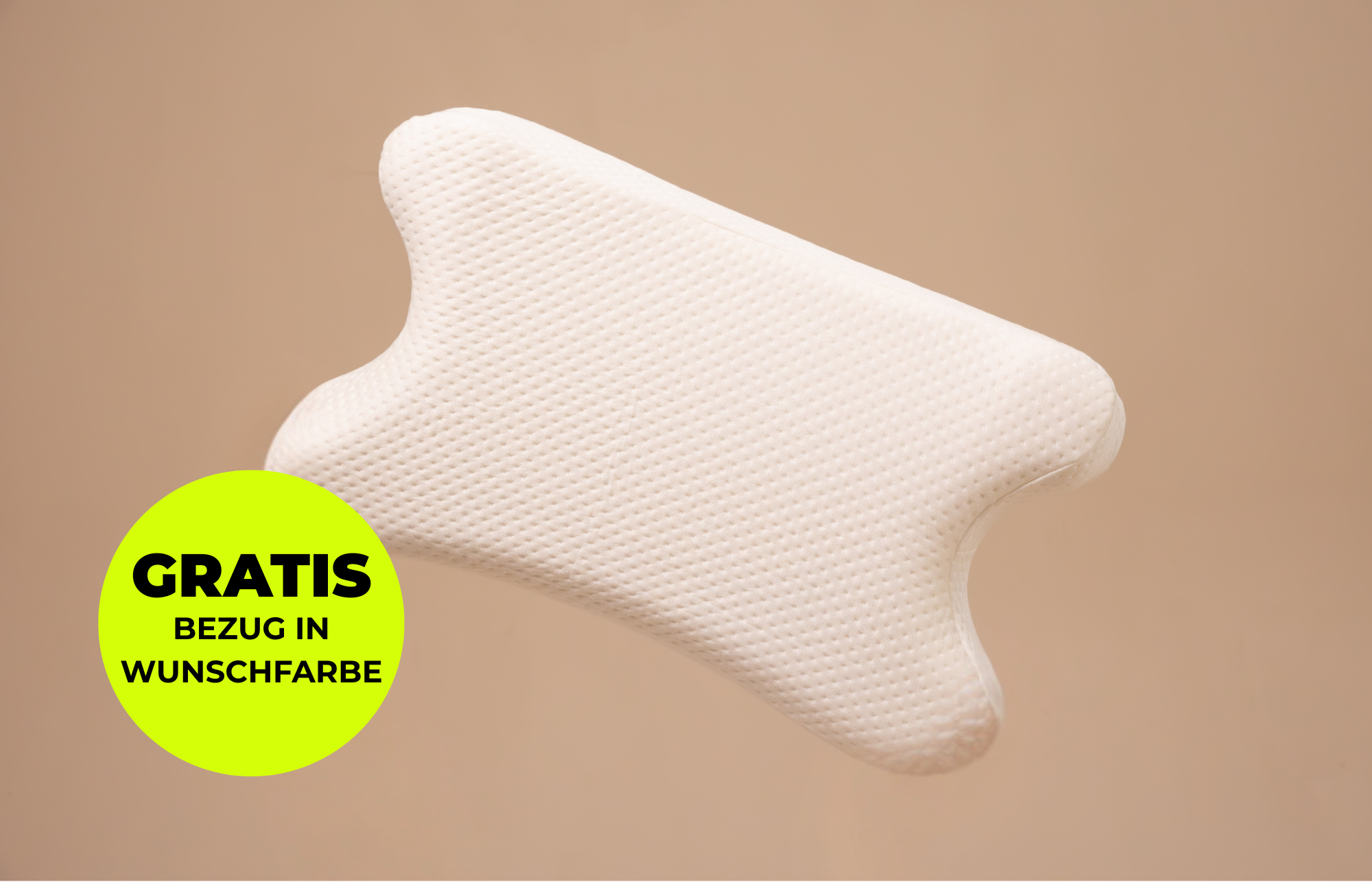
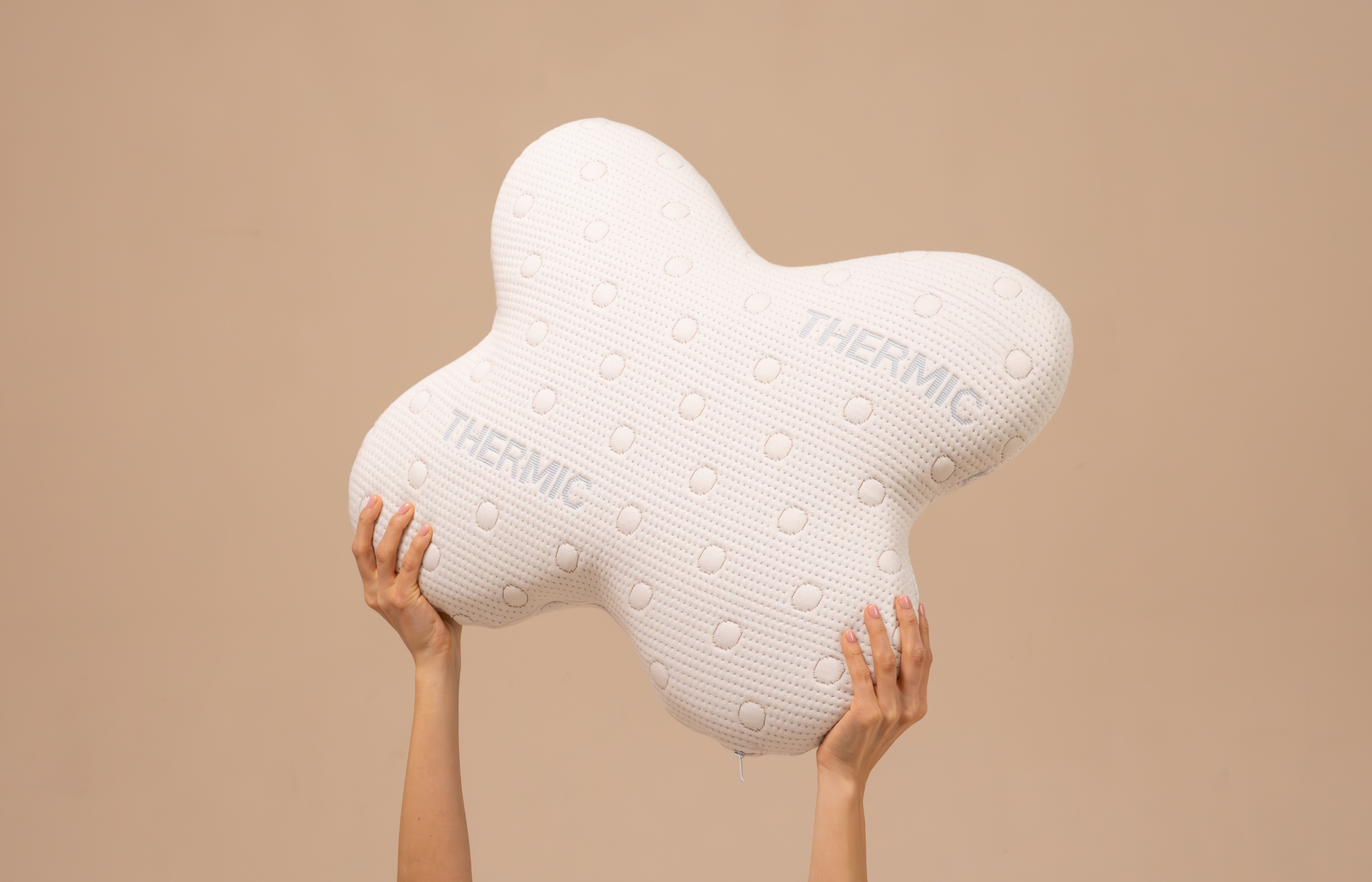
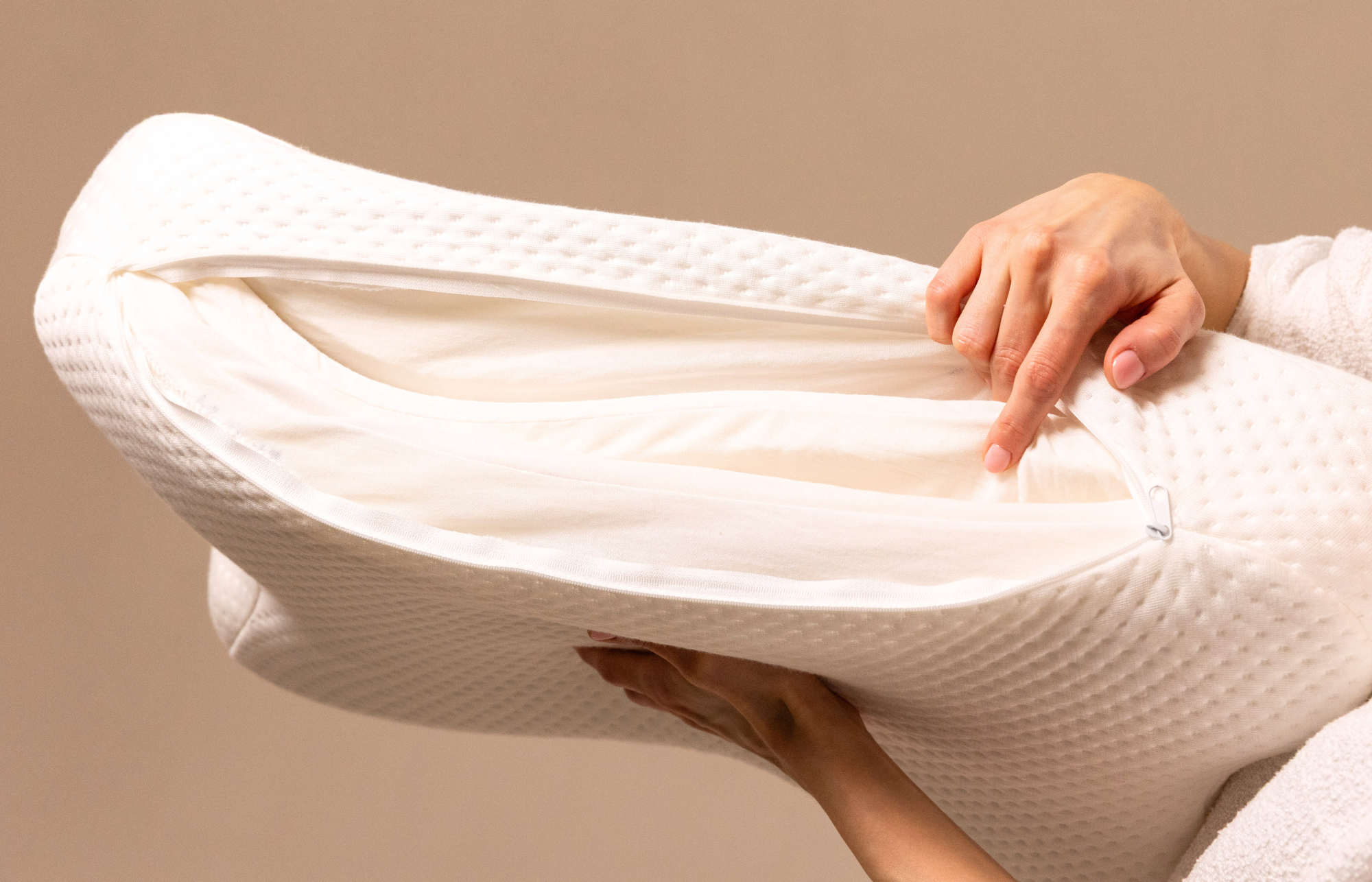
Third of Life offers a wide range of sleep products that can help prevent sleep disorders: from ergonomic pillows made of visco foam and duvets with moisture regulation to breathable mattress protectors and sleepwear with heat management. To find the right choice for you, you can of course test extensively with the 30-day return policy.
Conclusion: the causes of sleep disorders can be diverse - however, often small measures for sleep hygiene and when choosing sleep equipment can lead to improvements. If the impairments persist, illnesses may be possible causes that require medical advice.
About Third of Life
Third of Life is backed by sleep experts with many years of experience who want to help you sleep better. In close collaboration with sleep researchers and based on studies from science and practice, we develop functional sleep products, from nightwear to pillows and duvets to mattress protectors, to improve the special third of our lives: sleep. In our magazine, we also provide helpful tips and recommendations for restful nights.
More on the topic:
#NickOnSleep: Breathing and Sleep
Herbal Sleep Aids - Naturally Sleep Better