

A circular saw? The rustling of a pile of leaves? Or the rushing of a train?
The descriptions vary widely here, but everyone will probably know this annoying noise: snoring! Even worse: you wake up from it, restless and sleepless, and then you can’t fall asleep again out of irritation. The snorer themselves does not hear their noises. So, just a lot of noise about nothing?
What are the causes of snoring?
Snoring is a common phenomenon, affecting almost every second man. The causes are very diverse: From temporary impairments of the airways such as a cold or allergy, to permanent airway restrictions that are anatomically caused, such as a deviated nasal septum or an elongated uvula. Lifestyle also significantly influences snoring, as overweight, alcohol, and cigarettes make free breathing more difficult.
Women, on the other hand, mainly snore when hormonal changes occur in the body, such as during pregnancy and menopause.
How does the sound occur?
When we relax in sleep, our muscles in the mouth and throat are usually still tense enough so that we can breathe quietly and unobstructed. However, if the muscles in the palate, uvula, or tongue relax, they hang like a "floppy sail" and flutter during inhalation and exhalation – the typical sound of snoring is created. If the upper airways are narrowed, this effect is even stronger.
When should you see a doctor?
Normal snoring may cause restless nights for the partner but is not dangerous for the snorer. However, if snoring is accompanied by recurring breathing pauses, it is better to seek medical advice. It could be so-called sleep apnea. When sleep quality suffers and you constantly feel tired and exhausted, you should also see a doctor.
10 tips against snoring:
- Reduce overweight: Excess kilos literally make breathing harder and narrow the airways. Losing weight is an effective way to combat snoring.
-
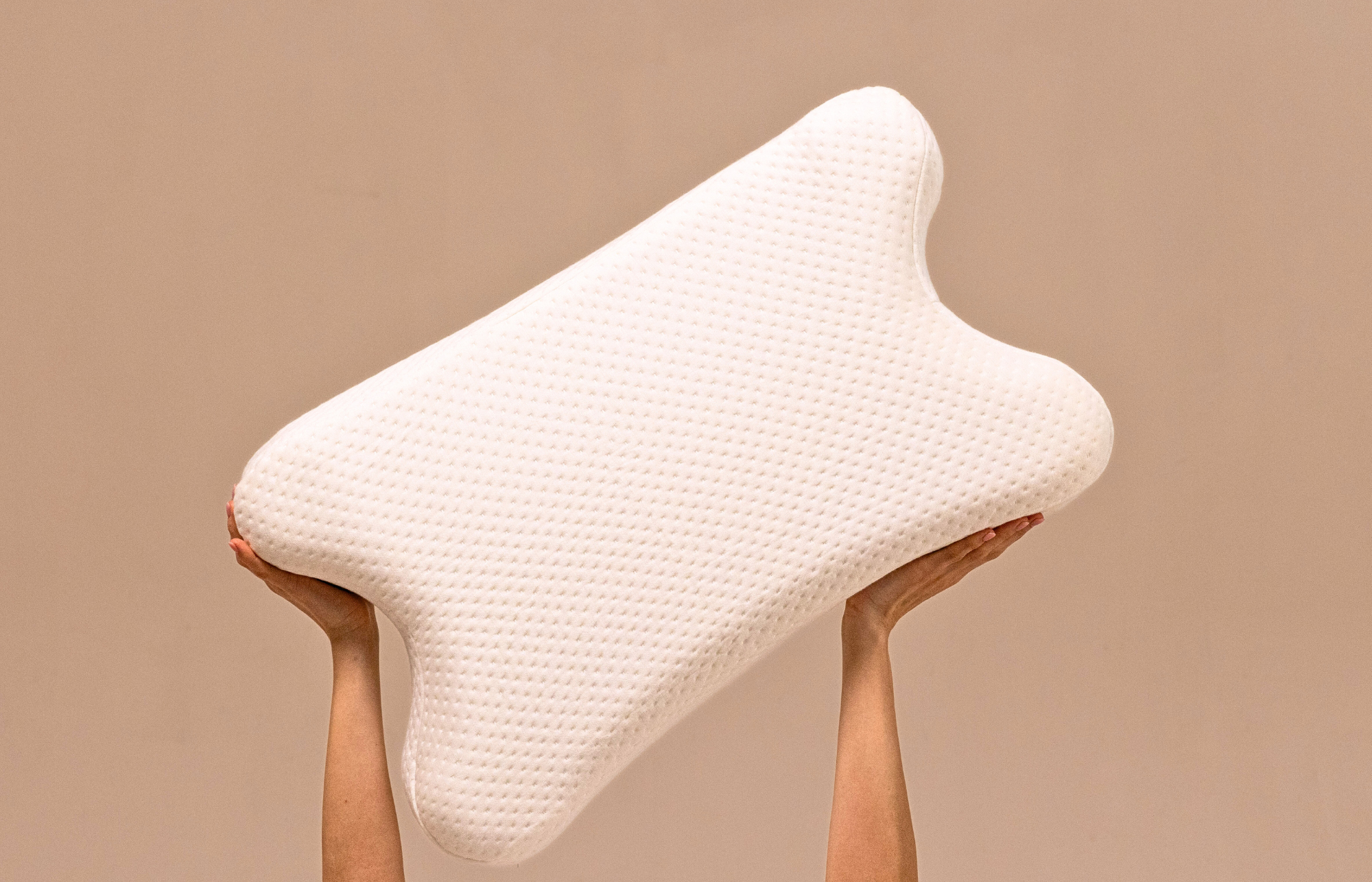
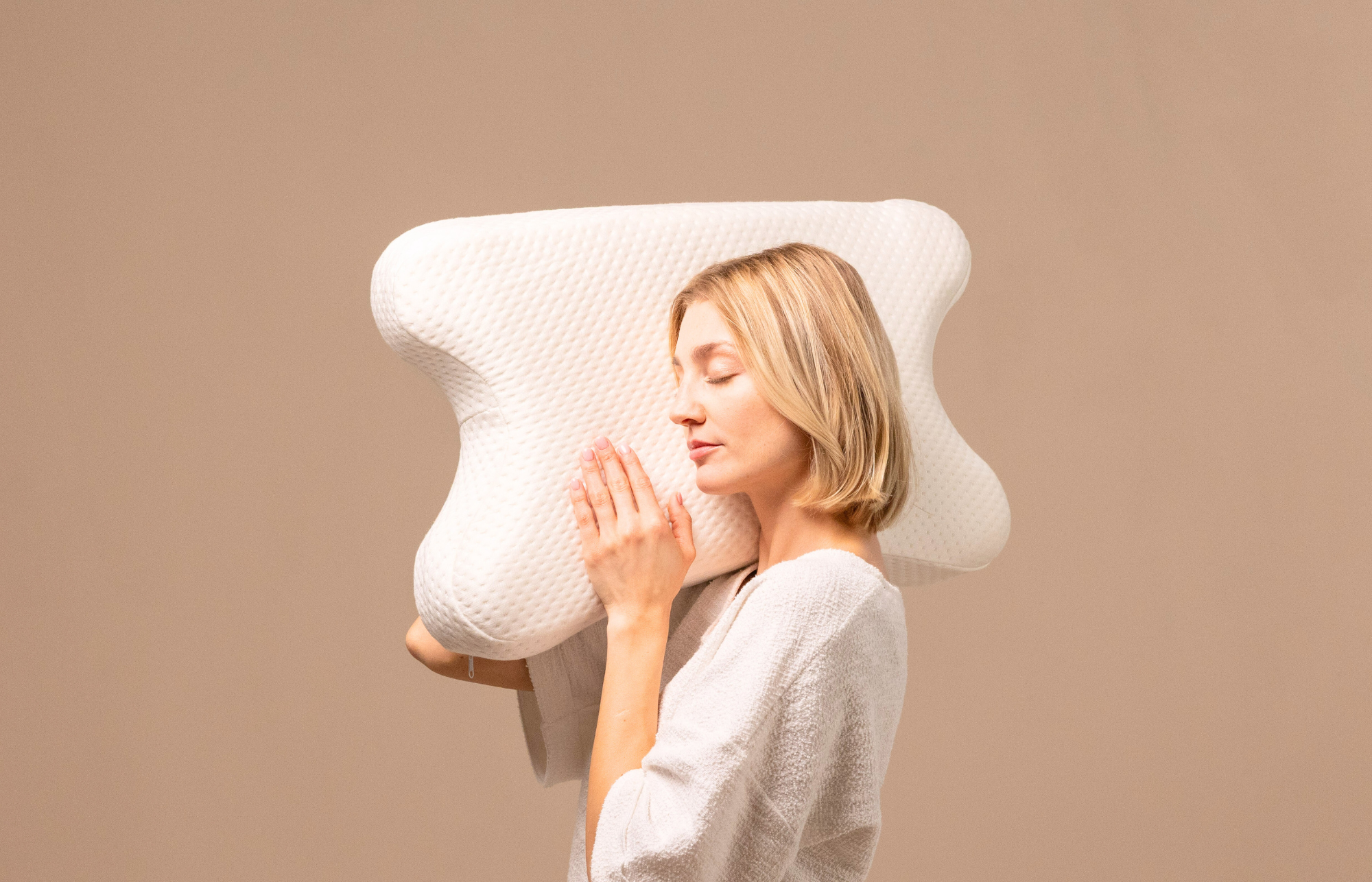
Sleep on your side: Back sleepers are more likely to snore because in this position the tongue easily falls back into the throat, creating the typical snoring sound when breathing. Therefore, it is good to sleep on your side. It is often recommended to sew a tennis ball into the pajamas for this. You can also use an ergonomically shaped side sleeper pillow so that the body is automatically kept in the side position during sleep.
If you cannot sleep on your side, you can try a pillow for back sleeping with an additional insert. An adjustable slatted frame that raises the upper body can also help. - No late alcoholic drinks: You should avoid beer, wine, and similar two hours before going to bed because alcohol impairs breathing activity and thus promotes snoring. Late and fatty meals also sit heavily in the stomach and can impair breathing.
- Improve sleep quality: The recommendations for sleep hygiene – quiet, dark, and rather cool between 16° and 18° C in the bedroom – also apply to snoring. Additionally, you should try to go to bed at the same time every day so that the body has a regular sleep-wake rhythm.
- Don’t smoke: Nicotine irritates the mucous membranes, causing them to swell and obstruct free breathing.
- Train muscles: Those who train the muscles in the palate and throat can reduce snoring. Singing or playing a wind instrument such as a flute or trumpet is recommended for this.
- Avoid medication: Sedatives or sleeping pills are meant to ensure relaxed sleep. However, sometimes there can be too much relaxation, causing the muscles in the mouth to relax and the typical breathing noise to occur. In consultation with a doctor, the medication may possibly be discontinued.
- Clean bedroom: For those allergic to house dust mites, the mucous membranes swell additionally, and the narrowed airways can cause the typical snoring sound. Allergy sufferers should ensure a clean bedroom: regular vacuuming and wiping, thorough ventilation, no dust collectors, and no pets. An allergy bedding or a pillow with natural anti-mite protection can also contribute to healthy sleep.
- Natural home remedies: If the nose is only temporarily blocked, such as with a cold or allergy, classic home remedies like inhaling hot steam or using a nasal rinse can help. This eases breathing and reduces snoring.
- Aids: Since the causes of snoring can be very diverse, the range of aids on the market is correspondingly large: from nasal strips for deviated nasal septums, to bite or anti-snoring splints, to snoring braces and snoring masks. To find the right solution for yourself, it is best to consult an (ENT) doctor.
About Third of Life
Behind Third of Life are sleep experts with many years of experience who want to help you achieve better sleep. In close collaboration with sleep researchers and based on studies from science and practice, we develop functional sleep products, from nightwear to pillows and duvets to mattress protectors, to improve the special third of our lives: sleep. In our magazine, we also provide helpful tips and recommendations for restful nights.
More on the topic:



How Anti-Cellulite Pants Can Help You While You Sleep
The Spanish top footballer Derik Osede on good sleep