

When sleep becomes a matter of life – what the new Semmelweis study reveals about sleep and mortality risk
Sleep is much more than just rest. The latest meta-analysis from the Semmelweis University in Budapest, published in GeroScience (2025), clearly shows how crucial the right amount of sleep is for our life expectancy. Based on data from 79 international studies with over 2.1 million participants, the researchers found: Both too little and too much sleep increase the risk of dying earlier – sometimes significantly.
Too little sleep – the underestimated risk
People who regularly sleep less than seven hours per night have, according to the analysis, a 14% higher risk of death than those who sleep between seven and eight hours. The reason lies in the consequences of sleep deprivation: it raises blood pressure, weakens the immune system, and disrupts metabolism. In the long term, this can lead to cardiovascular diseases, diabetes, depression, and dementia. Sleep deprivation also activates stress hormones like cortisol, which promotes inflammatory processes in the body.
Too much sleep – this can also be dangerous
What surprises many: Too much sleep can also be harmful. Those who regularly sleep nine hours or more have, according to the study, a 34% higher risk of dying early. Long sleep is not always a sign of recovery – it can also indicate hidden illnesses, such as metabolic or cardiovascular disorders. This effect is particularly evident in women: Sleeping more than nine hours was associated with up to a 44% higher risk of death in them.
Why men and women react differently
Researchers observed significant gender-specific differences: In men, too little sleep increased the risk by about 16%, too much sleep by 36%. In women, the increase was 14% and 44%, respectively. Possible causes include hormonal factors, differences in metabolism, and various lifestyle habits. Psychological influences and cardiovascular diseases also play a role.
Sleep as a lifestyle factor
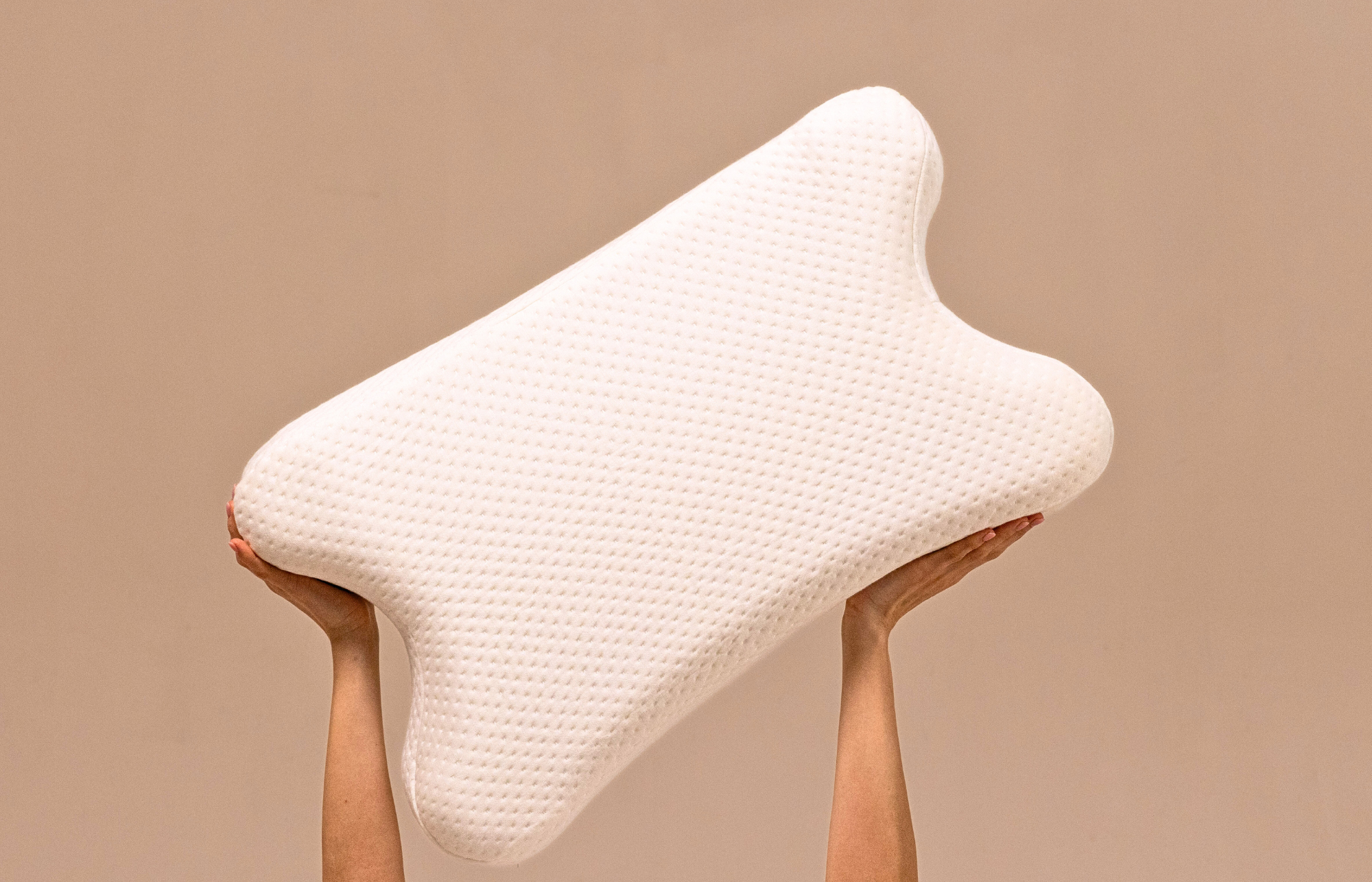
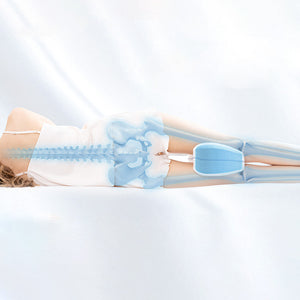
With the aiLigner Pillow, the search for the ideal pillow is over. It is THE pillow for everyone. It can be perfectly adjusted to individual needs and shows exceptional flexibility thanks to its 3-layer design.
Stiftung Warentest rating: 2.2","contentAlignProduct":"Left","infoProduct":{"id":"gid://shopify/Product/8342245736714","title":"aiLigner Pillow - Neck support pillow for all sleeping positions","currencyCode":"EUR","amountMax":"74.95","amountMin":"74.95","price":"74.95","compareAtPrice":"109.95","imagesUrl":"https://cdn.shopify.com/s/files/1/0071/5725/2178/files/1_ee0556e8-9aed-4017-8ec2-7f32755ec8b0.png?v=1752478894&width=600","urlStore":"/products/hohenverstellbares-ailigner-kissen-aus-visco-schaum-fur-alle-schlafpositionen-3-lagig-ergonomisch","altImage":"aiLigner Pillow - Adjustable neck support pillow for restful sleep - Third of Life"},"colorDiscount":{"hue":150.44776119402985,"saturation":0.96875,"brightness":0.46875,"alpha":1},"colorTitle":{"hue":213,"brightness":0.83,"saturation":1},"colorPrice":{"hue":0,"saturation":1,"brightness":0},"cssContent":"","activeDecimals":false,"decimalsPrice":2,"isRemoveBranding":true}

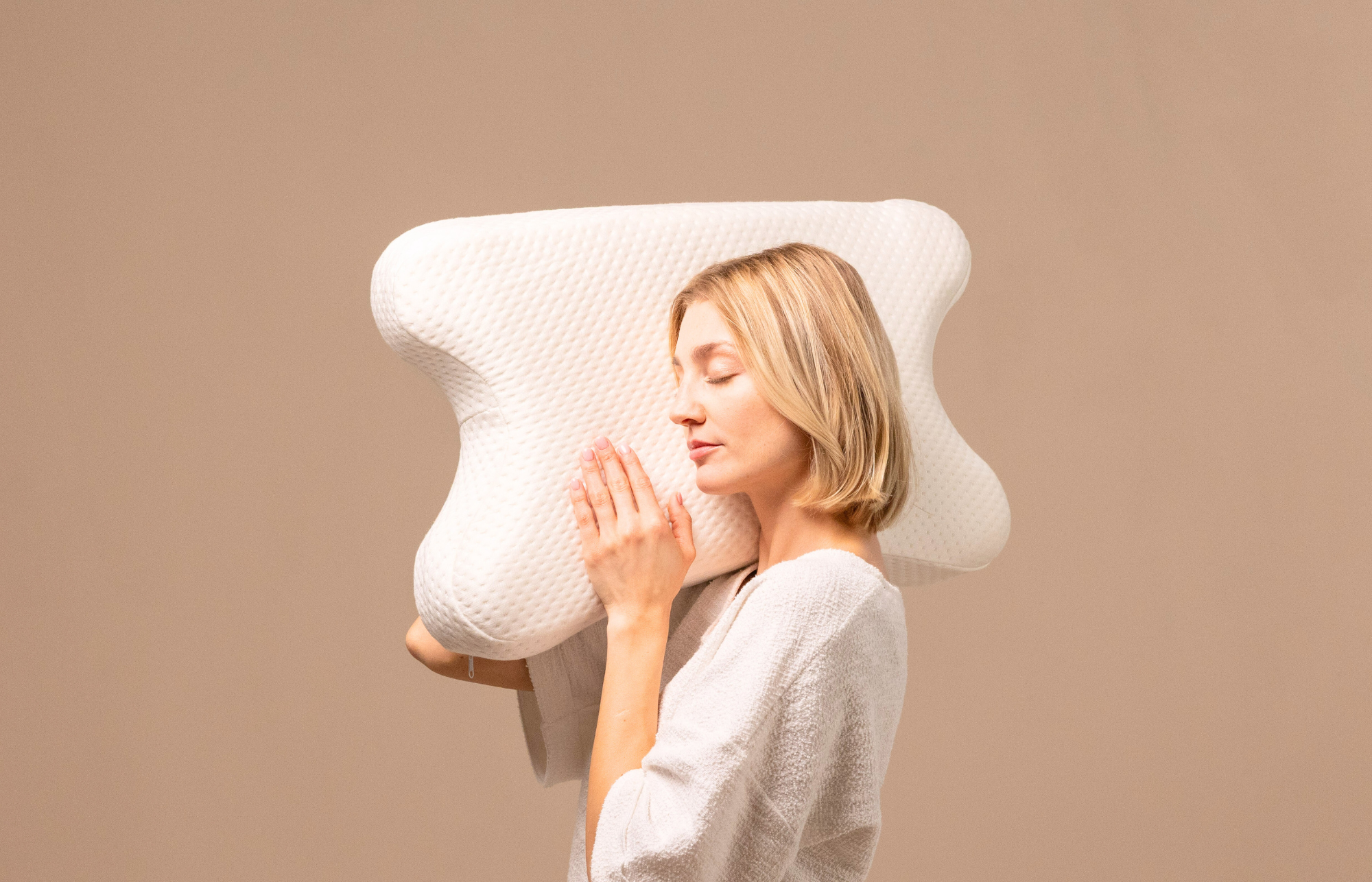
The right pillow can significantly contribute to better recovery. Only those who sleep ergonomically healthy support their body in important processes such as information processing, muscle recovery, and digestion.
With the aiLigner Pillow, the search for the ideal pillow is over. It is THE pillow for everyone. It can be perfectly adjusted to individual needs and shows exceptional flexibility thanks to its 3-layer design.
Stiftung Warentest rating: 2.2
According to the authors of this study, sleep is just as important as nutrition or exercise. An irregular sleep pattern, for example due to shift work, screen time, or late eating habits, negatively affects the cardiovascular system, hormone balance, and cell regeneration. On the other hand, those who consistently sleep between seven and eight hours and pay attention to sleep quality actively strengthen their health and lifespan.
Conclusion
This meta-analysis provides a clear conclusion: sleep duration is a key factor for a long life. Both chronic sleep deprivation and excessive sleeping disrupt the body’s balance and accelerate aging processes.
The ideal balance is 7 to 8 hours of high-quality sleep – regularly, peacefully, and without late screen time. Sleep hygiene should therefore become a fixed part of every health strategy – for the body, mind, and a longer life.
Further information on the study
The research team at Semmelweis University in Budapest analyzed 79 international long-term studies with data from over 2.1 million adults. All participants were observed for at least one year, sometimes for decades. The goal was to examine how different sleep durations – under seven hours, seven to eight hours, and over nine hours – affect the risk of dying from any cause.
So-called hazard ratios (risk ratios) were calculated. They show how much the risk in one group increases or decreases compared to the comparison group.
- Those who regularly slept less than seven hours had a 14% higher risk of death.
- Those who slept nine hours or more had an even 34% increased risk.
Statistical strength and data control
To avoid bias, the researchers used methods such as random-effects models and funnel plot analyses to ensure that individual outlier studies did not dominate the results. The team also considered gender-specific analyses: men and women showed similar trends, but with slightly different risk levels – the effect of long sleep durations was stronger in women.
Why this matters
By combining so many studies, the current state of knowledge could be precisely confirmed and expanded. The results are therefore considered robust and applicable to the general population.
Particularly important: The analysis suggests that not only the amount of sleep but also the regularity and quality of sleep are crucial. Shift work, stress, or late screen time were found to be common causes of unbalanced sleep – and thus indirectly linked to a higher risk of death (link: https://www.internisten-im-netz.de/aktuelle-meldungen/aktuell/schlafmangel-erhoeht-das-risiko-fuer-stoffwechselstoerungen.html)



Why We Sweat at Night (and What You Can Do About It)
Why Cold Feet Sabotage Sleep