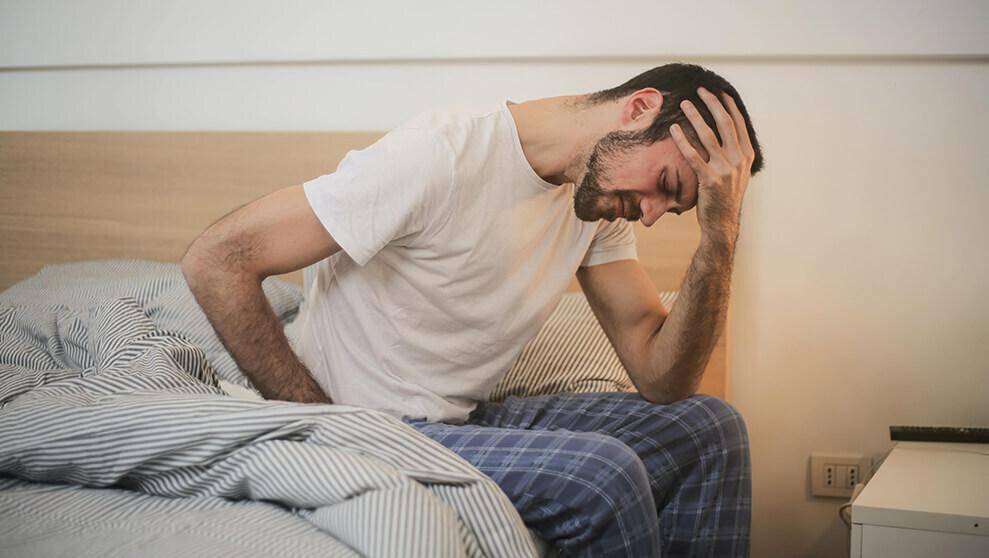
Do you have trouble staying asleep at night or falling asleep? One in three people sleeps poorly, often blaming stress, electronic devices, and working from home. Many of us know this especially during the Corona times. And if you’ve ever spent a sleepless night tossing and turning, you know how you feel the next day when you wake up: tired, moody, and unfocused. But don’t worry if you only get insufficient sleep once; it’s not a big deal. But did you know that regular sleep deprivation can also have serious consequences for physical health?
Symptoms
Primary signs and symptoms of sleep deprivation include excessive daytime sleepiness and impairments in daily life, such as reduced concentration, slower thinking, and mood swings. Other symptoms are:
- Excessive Sleepiness
- Lack of Energy
- Shortness of Breath
- Headaches
- Reduced Performance
- Depressive Moods
- Irritability
Consistent sleep deprivation or regularly poor sleep quality, however, increase the risk of serious illnesses such as obesity, heart disease, and diabetes. It also strains mental abilities and reduces quality of life. We explain what the possible consequences of sleep deprivation are and how it can affect certain body functions and systems.
Possible Consequences of Sleep Deprivation:
- Long-Term Mood Disorders
- Concentration Difficulties
- Cardiovascular diseases
- Weakened Immune System
- Disrupted Hormone Balance
- Weight gain
Possible Consequences of Sleep Deprivation:
- Long-Term Mood Disorders
- Concentration Difficulties
- Weakened Immune System
- Disrupted hormone balance
- Weight Gain
- Cardiovascular Diseases
Long-Term Mood Disorders
Many processes in the brain take place during sleep. A part of the brain, the amygdala, which deals with emotions, is affected by too little sleep. This can intensify negative emotions and moods. Considering that a single sleepless night can make you irritable and moody the next day, it’s not surprising that chronic sleep deprivation can lead to consequences such as long-term mood disorders like depression and anxiety.
Concentration Difficulties
After several sleepless nights, you feel down and powerless, and it becomes harder to concentrate and make decisions. This is because insomnia impairs the prefrontal cortex, which is responsible for logical thinking. As a result, it becomes more difficult to form new memories, which can affect learning and thinking. Another consequence is that the risk of injuries and accidents can also increase.
Weakened Immune System
Our health is closely linked to sleep. If you frequently sleep too little, not enough antibodies and cells to fight infections can be produced in this short time. This makes you more susceptible to infections and viruses harder to fight off. If you are already suffering from a cold or other respiratory illness, the recovery from these illnesses can also take longer. Therefore, prolonged sleep deprivation can disrupt our immune system in the long term.
Cardiovascular diseases
Other consequences of sleep deprivation can be cardiovascular diseases. Studies have found strong links between sleep problems and issues like high blood pressure, heart attacks, and strokes. This is because processes that regulate blood pressure and blood sugar levels occur during sleep. Thus, regular sleep deprivation also increases the risk of metabolic diseases such as diabetes.
Disrupted hormone balance
Sleep helps the body properly produce and regulate various hormones. Insufficient sleep can affect hormone production, such as growth hormones and testosterone. It also causes the release of additional stress hormones like noradrenaline and cortisol. Another consequence of regular sleep interruptions can even be infertility, as the release of reproductive hormones is reduced.
Weight gain
Anyone who sleeps too little is sure to know the feeling of being very hungry during the day. This is because sleep also affects the hormones that control hunger and satiety. People with sleep deprivation have a lower leptin level. Leptin is the hormone responsible for creating a feeling of fullness. This means that poor or insufficient sleep can have lasting effects on weight and can therefore lead to overweight.
What are the causes of sleep deprivation?
A variety of factors can cause or contribute to sleep deprivation. Sleep disorders or medical conditions such as sleep apnea, a breathing disorder that causes dozens of nighttime awakenings, can affect both sleep duration and sleep quality. Other medical or psychological issues, such as pain or general anxiety disorders, can also impact the quality and quantity of sleep. You can read more about the causes of sleep disorders here.
In most cases, it is due to poor sleep habits. You probably know this. In the evening, you decide to stay up late to watch a TV series or read a good book. An inconsistent sleep rhythm can quickly develop from this. Work commitments are another common reason for sleep deprivation. Workers with long hours or night shifts may not have enough time for sufficient sleep.
How can sleep deprivation be treated?
The best way to avoid sleep deprivation is to make sure you get enough sleep. But how much sleep do we actually need?
Most of us need about 8 hours of high-quality sleep per night to function properly – but sleep needs are individual. It is important to find out what your sleep needs are and then try to meet them. As a general rule: if you wake up tired and long for a nap all day, it is likely that you have not met your sleep needs. So try to establish a healthy and regular sleep rhythm with fixed bedtimes. If you find falling asleep difficult, these fall asleep tips might help you fall asleep better and faster.
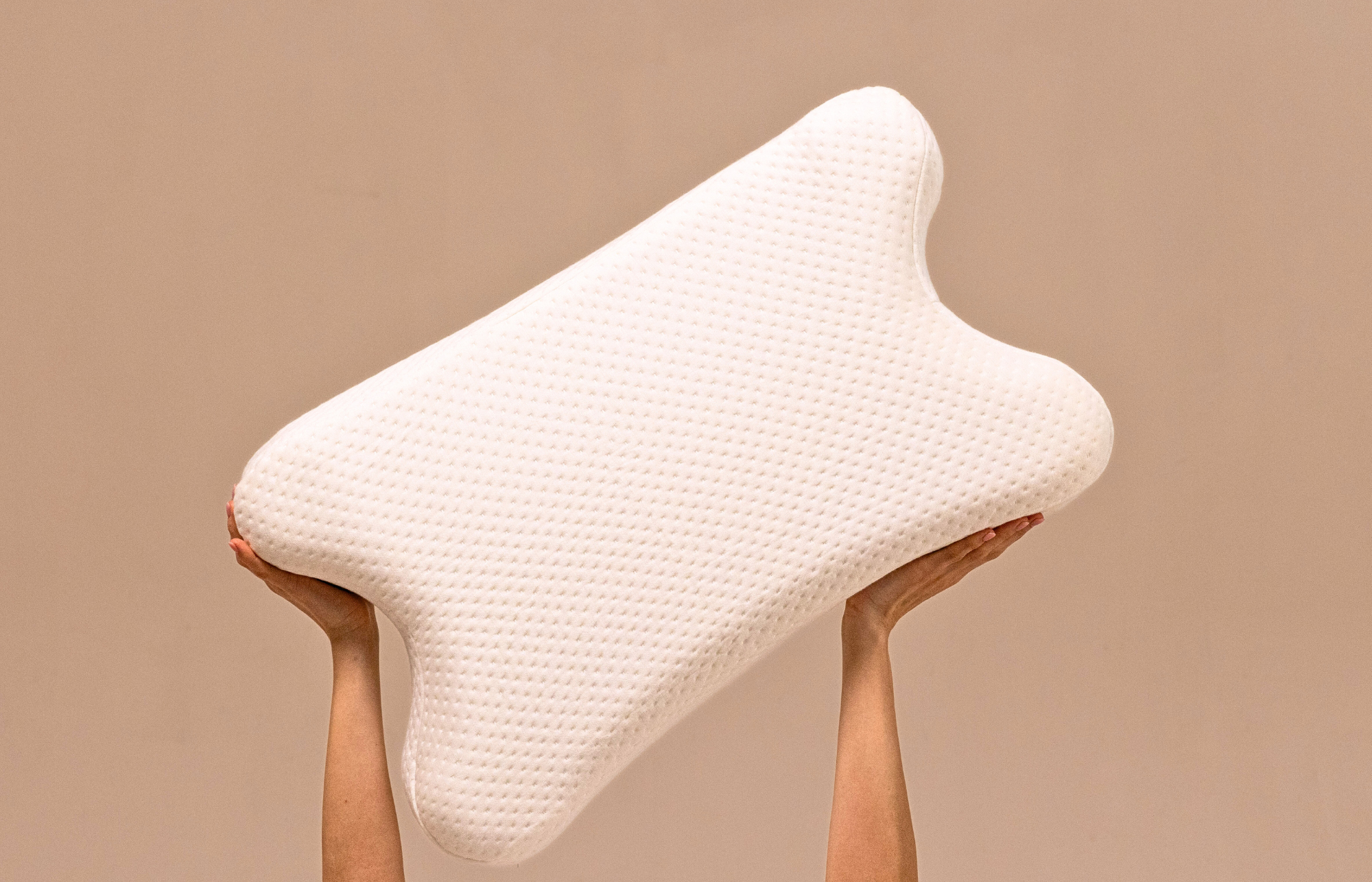
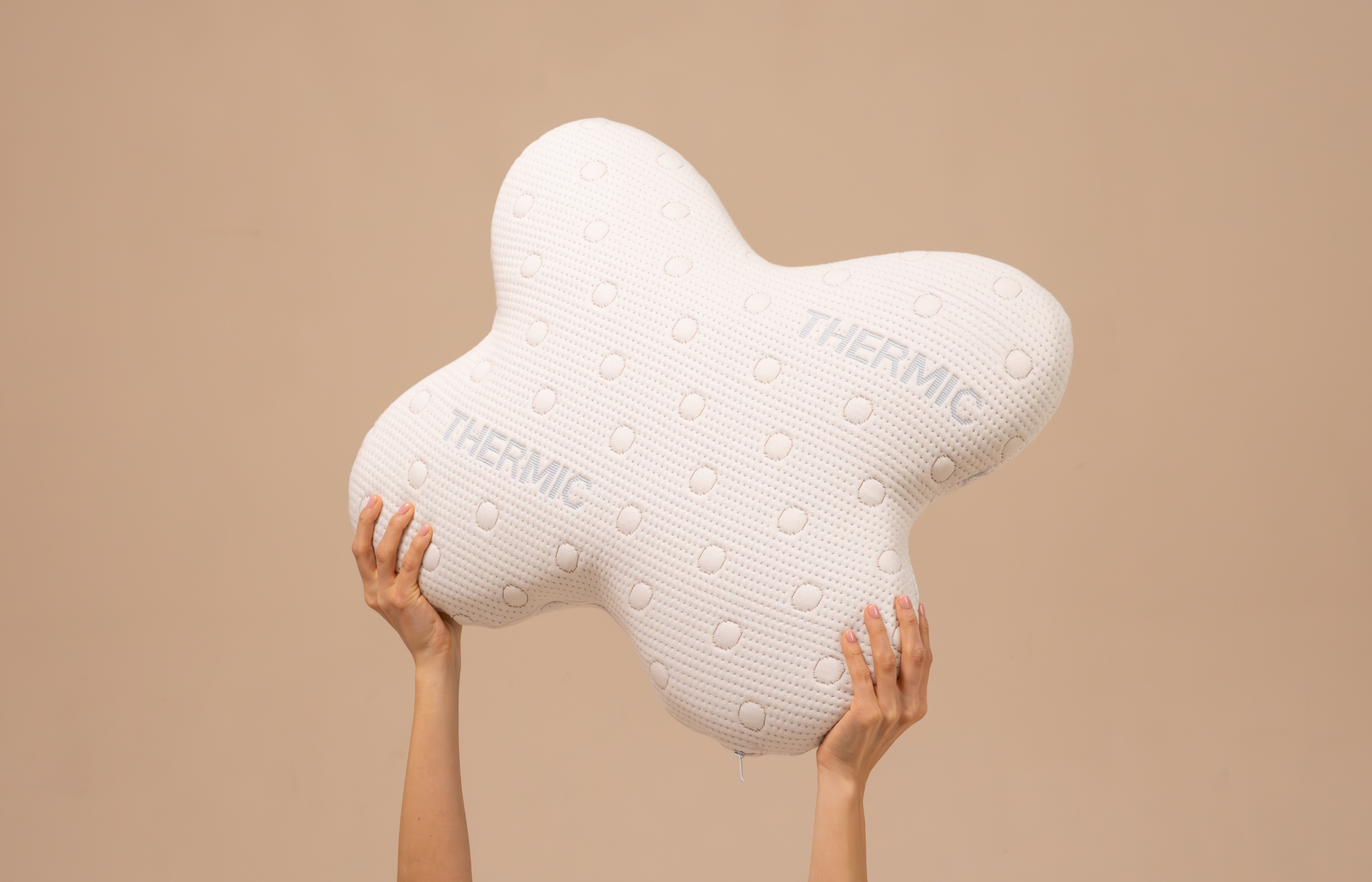
Also make sure that you do not experience tension or pain at night. Depending on your sleeping position and mattress firmness, you should choose the right pillow to relax your muscles and joints and ensure a comfortable state. Our pillow advisor helps you find the ideal pillow for you in a few simple steps.
More tips on how to restore a healthy sleep rhythm:
- Avoiding caffeine after noon
- Limiting or avoiding naps
- Relaxing activities before bed such as reading, yoga, meditating, or taking a bath
- Easily digestible meals, at the latest 1-2 hours before going to bed
- Avoid electronic devices immediately before going to bed
About Third of Life
Third of Life is backed by sleep experts with many years of experience who want to help you sleep better. In close collaboration with sleep researchers and based on studies from science and practice, we develop functional sleep products, from nightwear to pillows and duvets to mattress protectors, to improve the special third of our lives: sleep. In our magazine, we also provide helpful tips and recommendations for restful nights.
More on the topic:


How can you help your child get back to a regular sleep schedule?
How effective is a power nap?