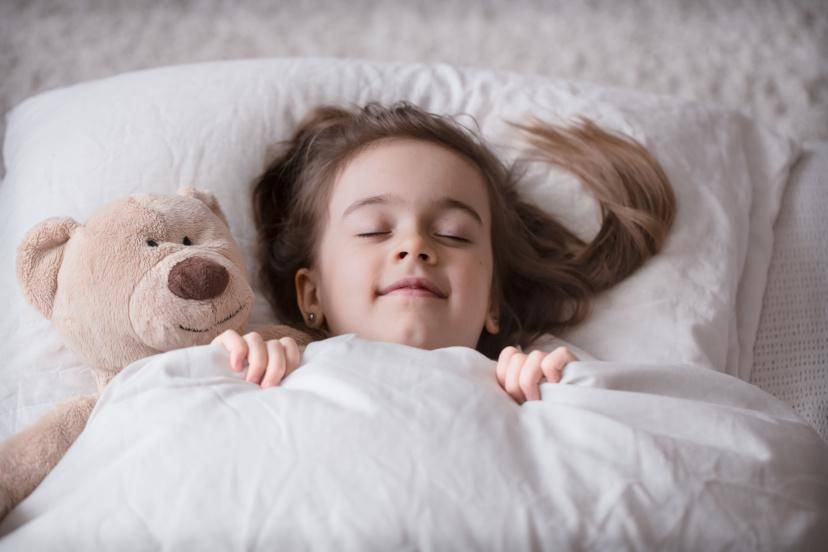
Schoolchildren look forward to the long-awaited, long summer holidays all school year. A summer without studying and early rising. Instead, they can sleep in and spend evenings sitting around the campfire, watching movies, or having sleepovers with other kids. And then suddenly, just as we get used to this carefree pace of summer vacation, the new school year is right around the corner. But how can you help your child get back into a regular sleep routine so they are fit and well-rested for school?
Consequences of sleep deprivation in children and adolescents
Sufficient and restful sleep is very important for children's health, development, and school performance. Poor sleep worsens children's social and behavioral problems. The most common consequences of sleep deprivation in school-aged children and adolescents include:
- Irritability
- Aggression
- Hyperactivity
- Social withdrawal
- Mood swings
These behavioral issues can affect children's relationships with their friends, siblings, teachers, and parents. They also make it harder for children to learn and participate in groups and activities that contribute to their emotional, social, and intellectual development. Due to these effects on mood and behavior, sleep deprivation can also negatively impact school performance.
Impaired school performance due to lack of sleep
Poor sleep also impairs the brain's ability to process and store memories as well as learn new information. This ability is especially essential in school to achieve good performance. High-quality, restorative sleep for children and adolescents, whose brains are still developing, is therefore important to improve learning and concentration skills. However, if your child does not get enough sleep, the following consequences may occur and affect school performance:
- Reduced attention and concentration
- Difficulty forming memories correctly and retrieving stored information
- Slowed reaction time
- Impaired ability to absorb and analyze information
- Deterioration of sequential thinking
- Reduced creativity
In addition, sleep problems can lead to tardiness or absences at school. Physical consequences of too little sleep, such as headaches, can contribute to illness-related absences.
Health impairment due to insufficient sleep in children and adolescents
Poor sleep increases the risk to mental and physical health. Children who do not get enough sleep may have more difficulty managing their emotions and can develop emotional disorders such as depression and anxiety more quickly. Other health risks that can also occur in adults due to sleep deprivation include obesity, high blood pressure, and other types of cardiovascular diseases as well as metabolic disorders and type 2 diabetes.
What are the most common causes of sleep deprivation in children and adolescents?
The most common causes of sleep deprivation in children and adolescents include:
- Inconsistent sleep patterns:
Large fluctuations in sleep and wake times can make it difficult to maintain consistent nighttime sleep. -
Lack of priority for sleep:
Children and their parents may fail to plan enough time for sleep each night and instead focus on studying,to devote more time to social life, sports, or other activities. -
Excessive use of electronic devices:
It is becoming increasingly common for children and adolescents to use phones, tablets, and laptops late into the evening. These devices stimulate the brain, which can make falling asleep more difficult. The blue light from the screen disrupts normal sleep.
Sleep problems in children and adolescents can also be triggered by conditions such as ADHD, anxiety, or difficult circumstances at home.
Sleep needs
Since every child has different sleep needs, it is important to test and adjust the amount of sleep based on your child’s behavior and performance. In general, sleep needs vary by age:
- Preschool children: 10-13 hours per night.
- Elementary school children: 9-11 hours per night.
- Teenagers: 8-10 hours per night
So how do I help my child get used to a healthy sleep rhythm?
Given the importance of sleep for academic performance, good sleep can lay the foundation for successful learning. First, talk with your child about sleep habits and the benefits of sleep. As a parental role model, it is also helpful to demonstrate good sleep habits yourself. Sleep should be given high priority and adequately planned into the daily routine.
It’s best to create a daily schedule for your child that considers their sleep needs as well as school start times and other activities. A consistent schedule with fixed bedtimes supports a healthy wake-sleep rhythm for your child. Use your child’s wake-up time as a guide to set their bedtime. Since teenagers are more independent and tend to stay up later, it is often more difficult to monitor their sleep. Open and honest communication with teenagers about sleep and its effects is therefore very important.
Additionally, you can encourage your child to develop a relaxing bedtime routine. A consistent evening routine is beneficial for relaxing and preparing for sleep. However, children should avoid using electronic devices during this time. It is recommended to stop using electronic devices at least one hour before bedtime, as the blue light from screens can inhibit the production of the sleep hormone melatonin.
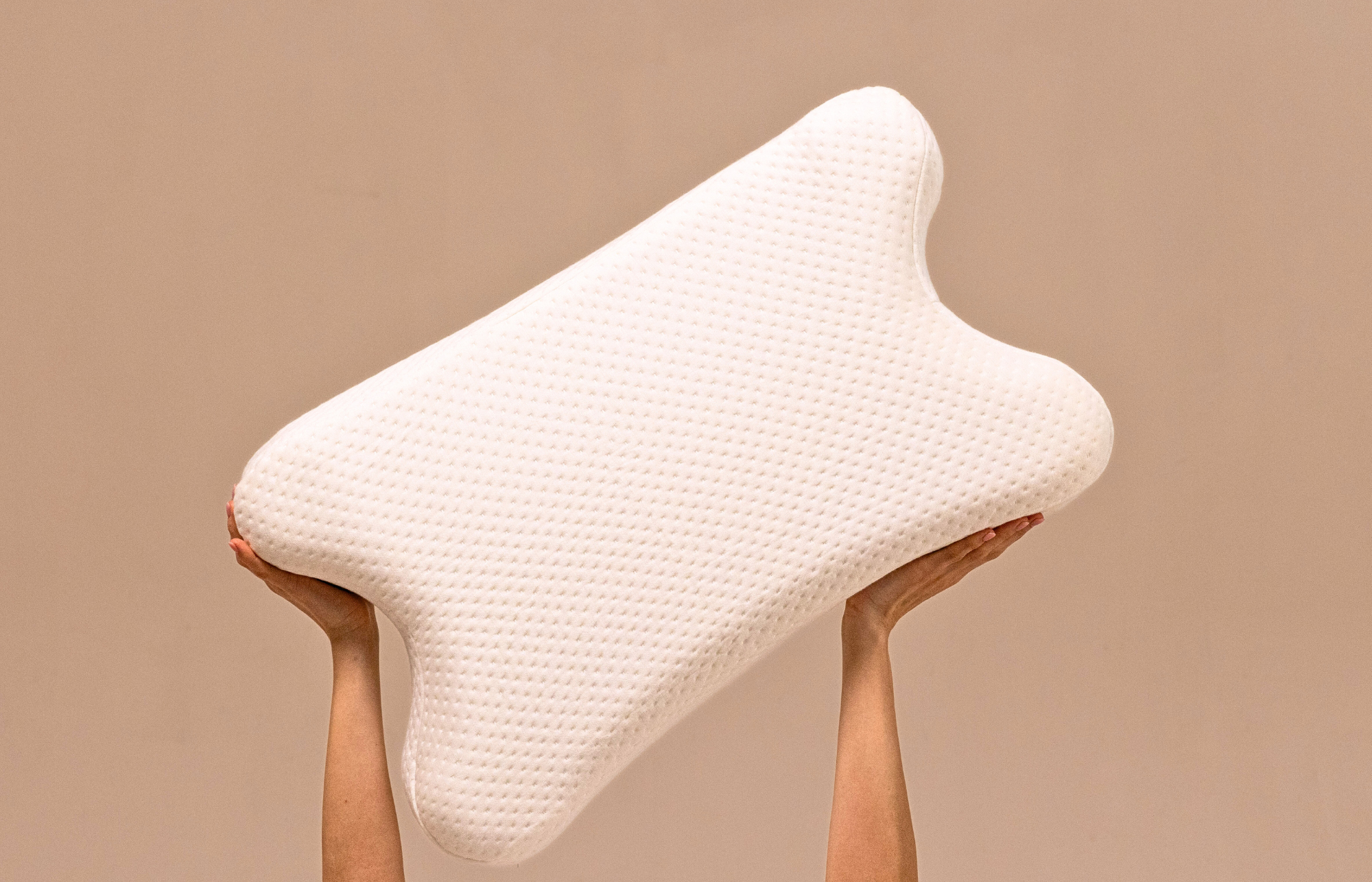
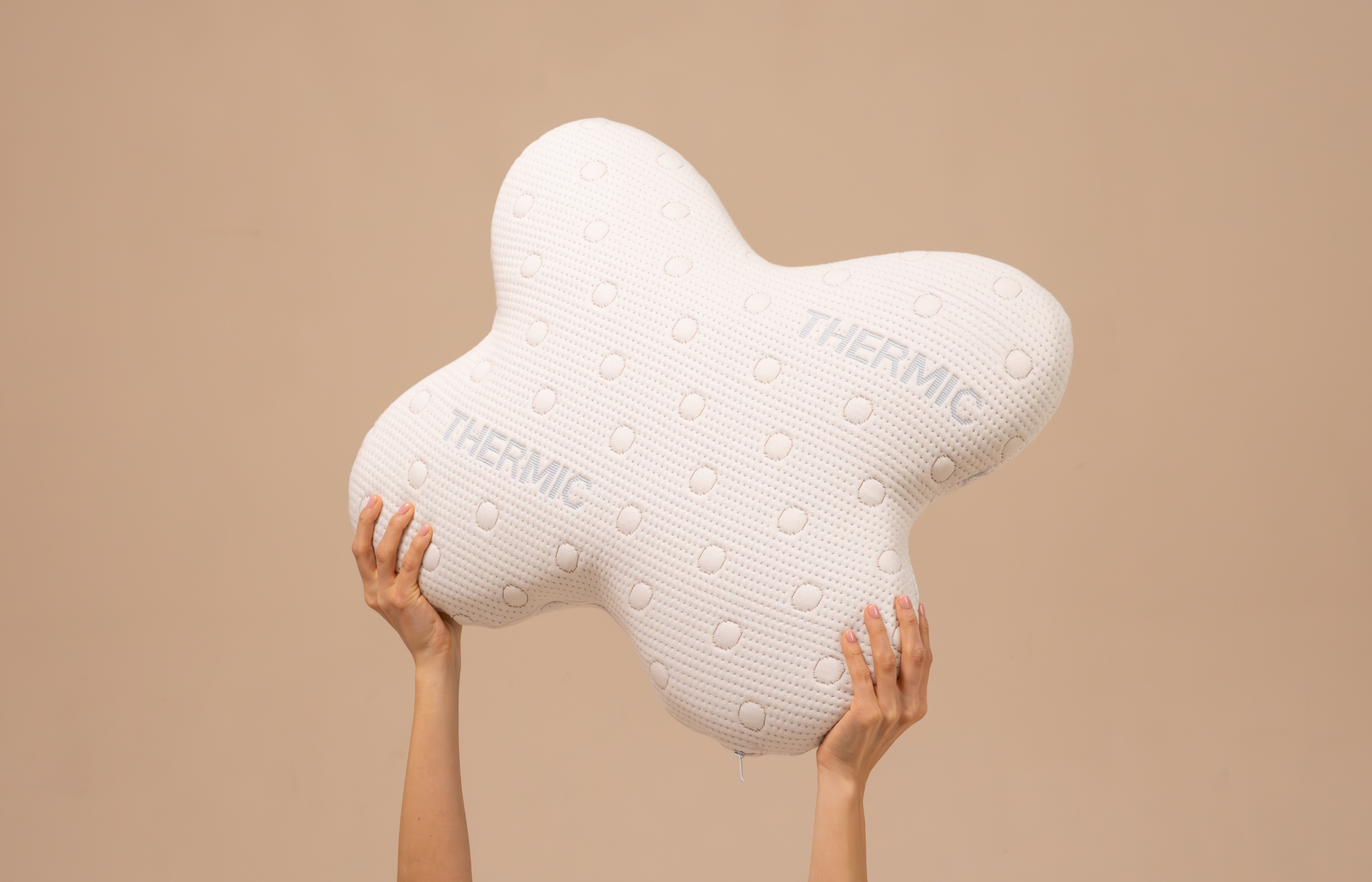
Also make sure to create a relaxing sleep environment for your child. Like adults, children sleep better when they have a supportive pillow, comfortable bedding, and a dark, quiet bedroom. With Third of Life products for children, you can also ensure that the sleep environment is calming and conducive to good rest and health.
About Third of Life
Third of Life is backed by sleep experts with many years of experience who want to help you sleep better. In close collaboration with sleep researchers and based on studies from science and practice, we develop functional sleep products, from nightwear to pillows and duvets to mattress protectors, to improve the special third of our lives: sleep. In our magazine, we also provide helpful tips and recommendations for restful nights.
More on the topic:



Sleeping in the Heat - Tips for Summer
What are the consequences of sleep deprivation?