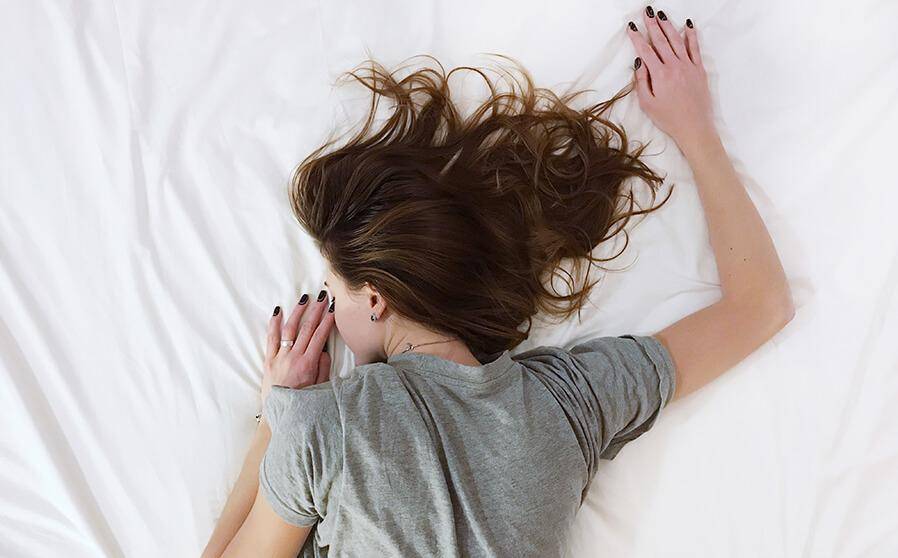
Night sweating is rarely talked about. Yet night sweats regularly rob a large part of the population of a restful sleep. But how should you deal with it?
The solution depends heavily on the exact causes. If you suspect health issues or a serious illness as the trigger, please consult a doctor and explain your symptoms. In most cases, the causes of night sweating lie in the environment, behavior, or psyche. Here you can actively take steps to achieve improvements.
Causes of Night Sweats:
- Temperature of the sleeping environment
- Stress and mental exhaustion
- Nutrition before going to bed
- Alcohol consumption before going to bed
- Avoid intense exertion in the evening
Cause 1: Temperature of the sleeping environment
Body temperature at night plays a central role in preventing night sweats. Our body temperature fluctuates within the day-night rhythm and reaches its natural low point during sleep. The reduced body temperature at night supports the sleep-specific regeneration processes in our body. A cool ambient temperature can help to fully relax. The perfect ambient temperature varies individually, but a guideline is 16-18° Celsius. If the natural course of body temperature is negatively affected, for example by strongly warming textiles, sleep is disturbed.
Heavy sweating at night is often due to the wrong choice of nightwear, bedding, and blanket. The blanket should be adapted to the season and breathable. Nightwear should not cause heat buildup and should wick moisture well. Sleeping naked is not recommended because moisture cannot be wicked away from the body. When choosing yarn, functionality should also be considered: popular cotton textiles often have the disadvantage that they dry poorly once sweat-soaked. This often results in us quickly feeling cold in the damp environment after sweating, leading to poorer sleep. The Sleepwear from Third of Life offers an alternative through functional yarns and OptiSleep zone technology.
Cause 2: Stress and mental exhaustion
Stress and mental unrest are often the cause of heavy sweating and disturbed sleep. Stress and mental exhaustion lead to an increased release of stress hormones such as adrenaline and noradrenaline, which cause dilation of blood vessels in the skin, promoting night sweat attacks.
If falling asleep takes a little longer, don’t put pressure on yourself. Try to relax and avoid thinking about problems or appointments the next day. The following rules 30 minutes before bedtime help with stress reduction: turn off laptop or TV, mute your phone, and do something relaxing. A good bedtime read can be helpful here.
If you wake up at night, don’t pressure yourself. What many don’t know: on average, we wake up 28 times per night but usually don’t remember wake phases shorter than three minutes. Don’t get upset about being awake, as this promotes the release of stress hormones, making it harder to fall asleep.
You should also avoid looking at the clock, as many people with disturbed sleep sleep better when the time pressure is gone. Reduced stress also leads to less sweat production and thus less night sweating.
Cause 3: Nutrition before going to bed
Unusually fatty and heavy meals should be avoided before going to bed. Otherwise, the body has to use too much energy for digestion at night. This can lead to restless sleep and heavy sweating at night. Also, very spicy food should be removed from the evening menu if you don’t tolerate it well.
It can also help to drink peppermint or sage tea (against sweating) with lemon balm (for calming) before going to bed. This also creates a kind of ritual that signals to the body that it’s time to wind down. More nutrition tips for healthy sleep can be found here.
Cause 4: Alcohol consumption before going to bed
Alcohol consumption may help you fall asleep quickly but is not recommended as a sleep aid. Because the body has to break down alcohol at night, we start to sweat. The toxins are excreted through the skin pores. If you suffer from night sweats, you should reduce alcohol consumption in the evening.
Cause 5: Intense exertion in the evening
Regular exercise stimulates metabolism in the brain and body and promotes sleep. However, exertion should not take place shortly before going to bed and should not be too intense. Night sweats can also be a result of overtraining. So if you have an intense training plan or have suddenly increased your training volume, you may be temporarily overloading your body. Heavy sweating at night is an important warning sign that you should not ignore. Overtraining only makes sense in moderation and with a longer recovery phase afterward (supercompensation). However, we should avoid unhealthy overexertion of our organism in any case. Learn here how much sweating during exercise is normal.
Solutions for Night Sweats
The causes mentioned also show possible solutions. For each trigger, small and easy-to-implement measures can be integrated into everyday life. Here is a brief summary:
- Optimal sleep temperature: use breathable pillows, blankets, and nightwear
- Reduce stress and relax: mute phone, read books before sleeping, don’t pressure yourself
- Adjust nutrition: avoid heavy meals several hours before bedtime, drink calming teas before sleeping
- Avoid excessive alcohol consumption
- Avoid intense exertion in the evening
About Third of Life
Behind Third of Life are sleep experts with many years of experience who want to help you achieve better sleep. In close collaboration with sleep researchers and based on studies from science and practice, we develop functional sleep products, from nightwear to pillows and duvets to mattress protectors, to improve the special third of our lives: sleep. In our magazine, we also provide helpful tips and recommendations for restful nights.
More on the topic:
Third of Life at the "Better Sleep" Fair
How Your Sleep Environment Affects Your Back Health!