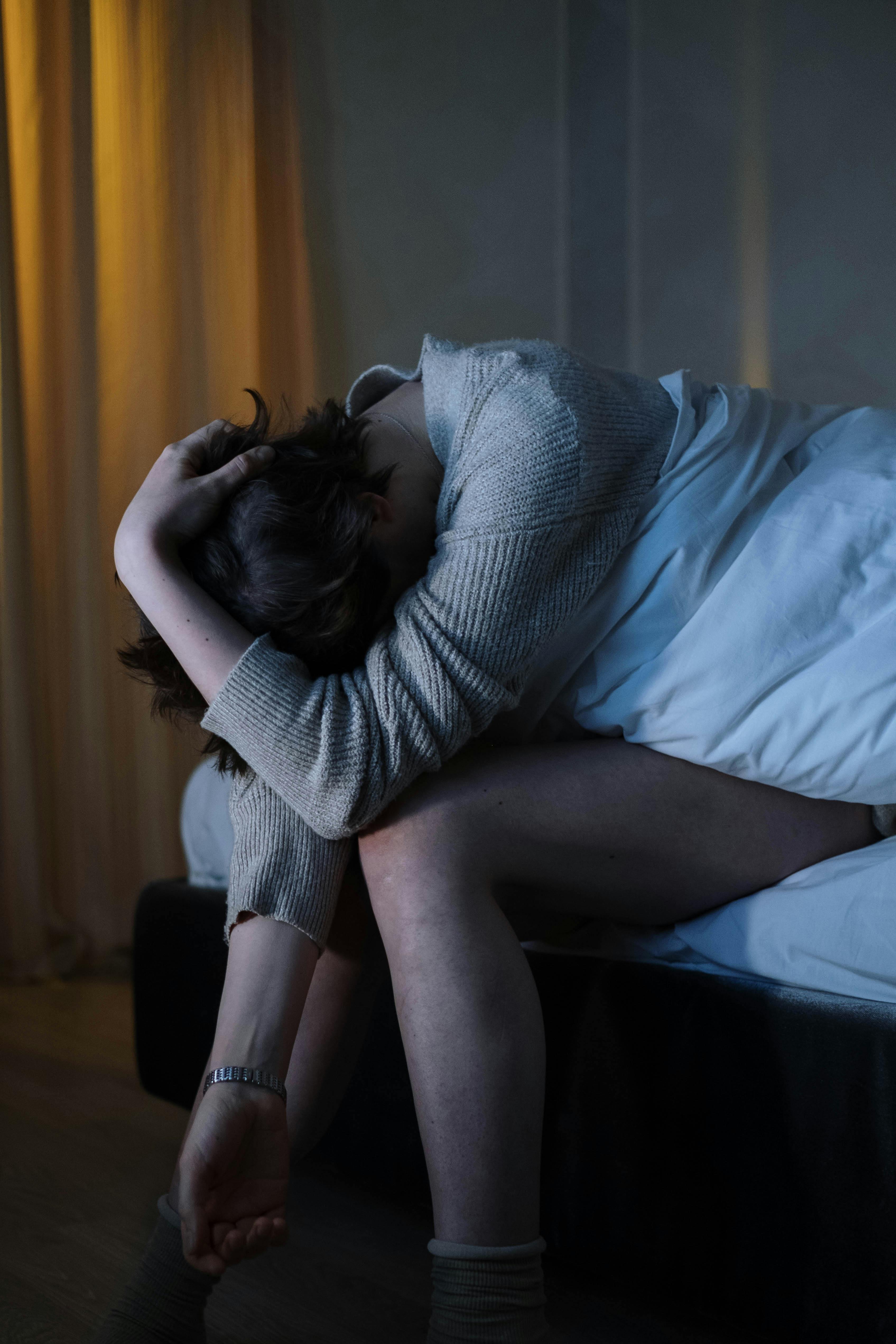
Sleep and anxiety are closely linked in an often destructive relationship. Many people suffering from anxiety know the problem: when the mind can’t find peace at night, the thought carousel spins faster and faster, and sleep fails to come. At the same time, poor or insufficient sleep can worsen anxiety symptoms. This creates a vicious cycle that can significantly impair both mental and physical health.
Sleep and Anxiety: An Often Destructive Connection
Sleep disorders and anxiety are closely linked. Many affected individuals know the problem: the mind races endlessly at night, the head can’t find peace, and sleep is elusive. At the same time, poor sleep worsens anxiety symptoms, creating a vicious cycle of sleep problems and anxiety.
How Anxiety Affects Sleep
Sleep disorders and anxiety are closely linked. Many affected individuals know the problem: the mind races endlessly at night, the head can’t find peace, and sleep is elusive. At the same time, poor sleep worsens anxiety symptoms, creating a vicious cycle of sleep problems and anxiety.
How Anxiety Affects Sleep
Anxiety is a natural stress response that can be helpful in the short term. However, when it becomes chronic, it keeps the nervous system on high alert. This leads to increased heart rate, muscle tension, and inner restlessness—symptoms that make falling asleep difficult and cause frequent awakenings.
The Impact of Sleep Deprivation on Anxiety
Chronic sleep deprivation worsens anxiety symptoms through increased irritability and impaired emotion regulation. The prefrontal cortex functions inefficiently, making anxiety harder to control. High cortisol levels due to poor sleep further increase stress.
Strategies to Break the Vicious Cycle
To break this vicious cycle, it is important to address both anxiety and sleep. Here are some approaches that can help:
- Improve Sleep Hygiene: Good sleep hygiene is crucial. This includes maintaining regular sleep times, keeping the bedroom cool and dark, and turning off electronic devices before going to bed.
- Use Relaxation Techniques: Techniques like progressive muscle relaxation, breathing exercises, or mindfulness meditation can help calm the body and reduce anxiety before bedtime.
- Cognitive Behavioral Therapy (CBT): CBT for insomnia (CBT-I) can help break negative thought patterns that disrupt sleep. There are also specialized CBT programs aimed at treating anxiety disorders.
- Externalize Anxiety and Worries: Keeping a journal where worries and fears are written down can help relieve your mind. Once these thoughts are on paper, it often becomes easier to let them go.
- Seek Professional Help: When anxiety and sleep problems become chronic, it is advisable to seek professional help. A therapist or sleep specialist can offer individual solutions.
Conclusion
The vicious cycle of anxiety and sleep disorders is challenging but manageable. Targeted measures can improve sleep quality and mental health, leading to greater balance and quality of life in the long term.





How to Sleep Better on Hot Summer Nights
SLEEPMAXXING - Senseless Trend or Healthy Change?