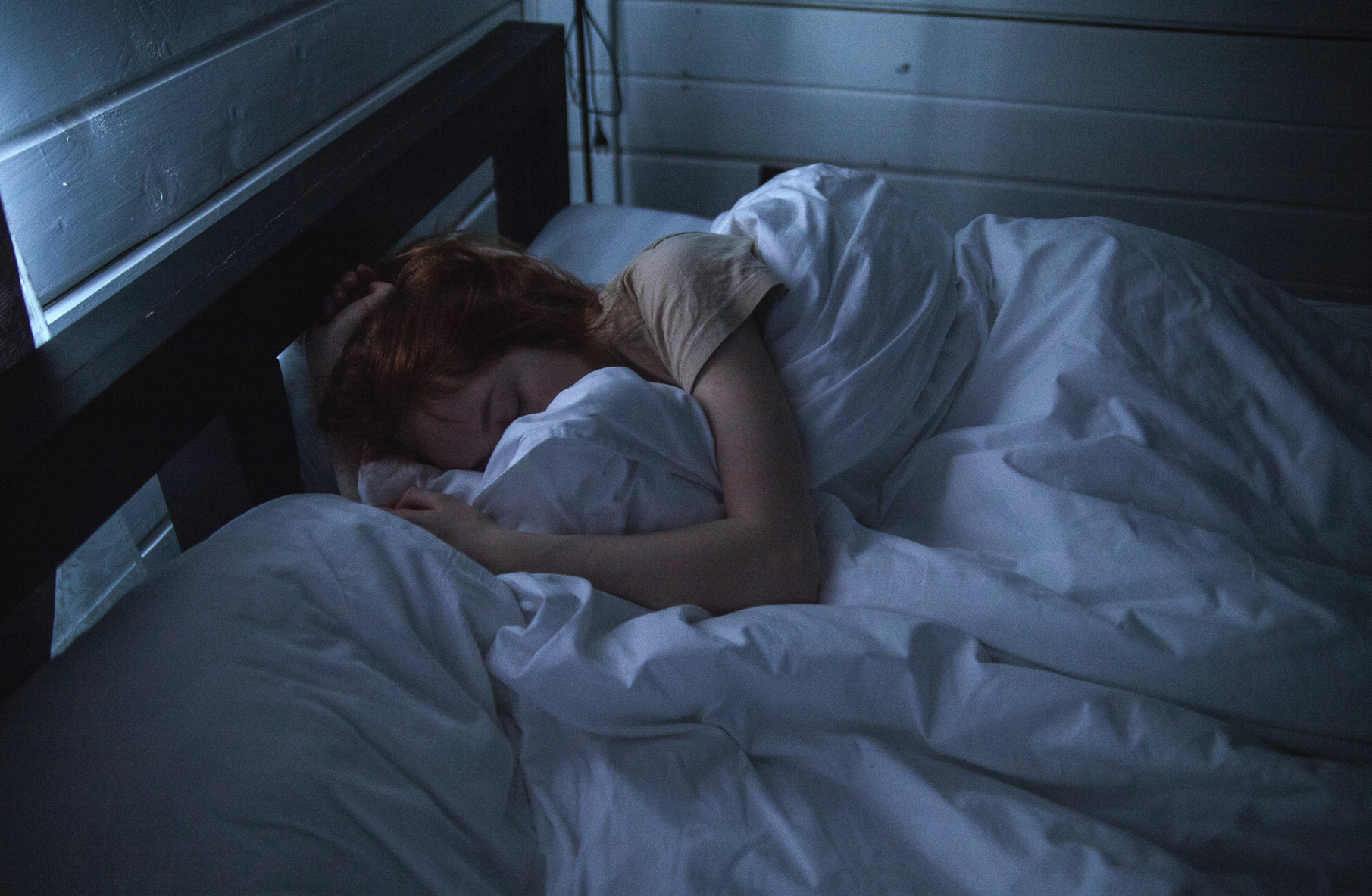
Sleepmaxxing: The new trend for better sleep under scrutiny

In a world that is becoming increasingly hectic, many people long for an effective way to sleep restfully. The latest trend, gaining popularity especially on TikTok, is called "Sleepmaxxing" and promises exactly that: maximum sleep for maximum health and quality of life. But what exactly is behind this hype, and does it really deliver the promised rest?

What is Sleepmaxxing?

"Sleepmaxxing" combines "sleep" and "maxxing" (from "maximizing") and describes the idea of making sleep a top priority. Followers of the trend see sleep not just as a physical need but as the foundation for a healthy, fulfilling life. The goal? To improve the duration and quality of sleep as much as possible—through special routines, sleep hacks, and an optimized sleep environment. But how practical is this approach, and what does science say about it?

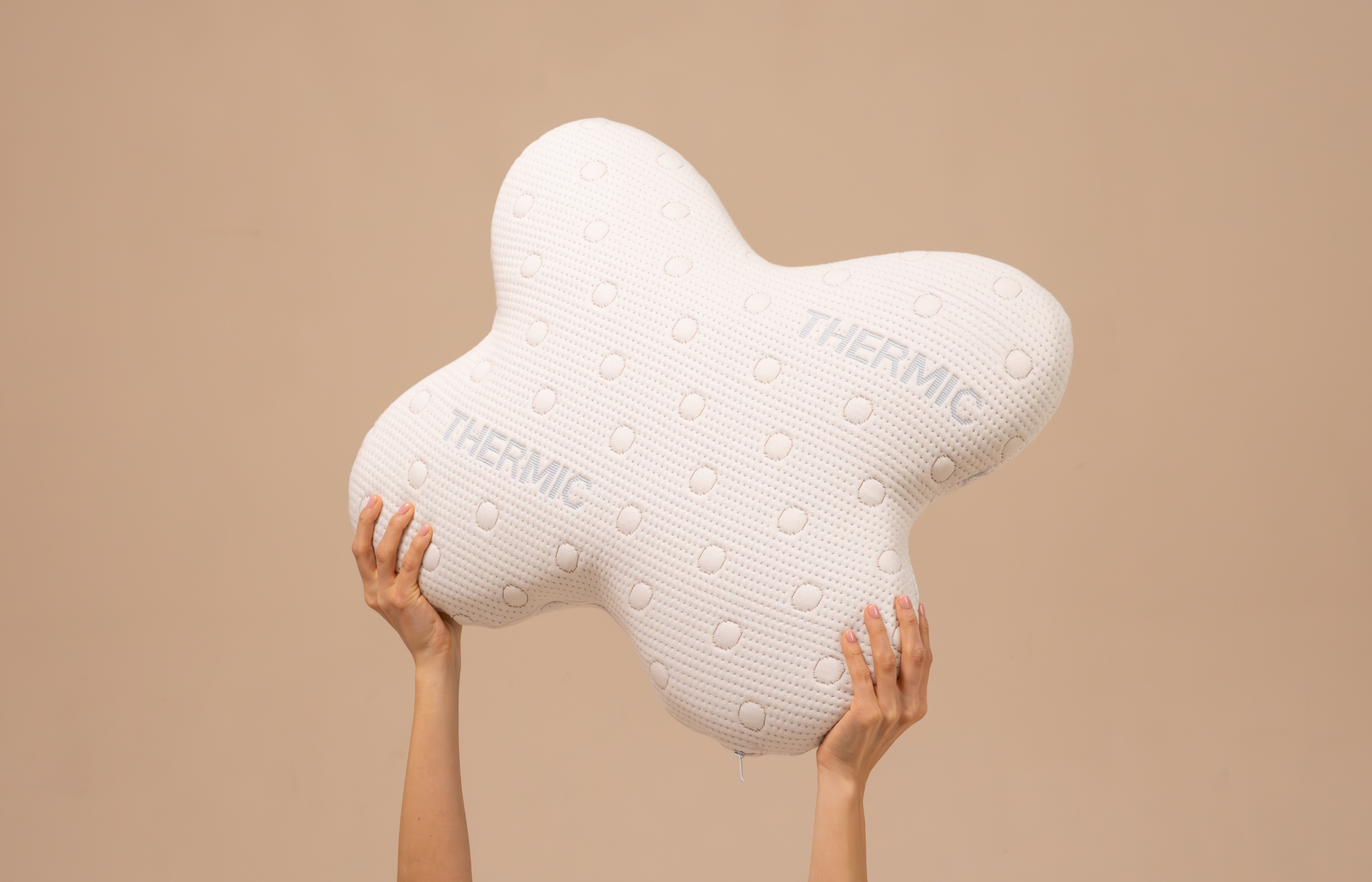
The ideal pillows for your Sleep-Maxxing

View all pillows


Tips and routines for better sleep: What’s behind the recommendations?

Under the hashtag #Sleepmaxxing, various sleep tips and rituals can be found on TikTok that are supposed to help achieve deeper and more restful sleep. These range from DIY sleep drinks to elaborate evening routines:

  • “Sleepy Girl Mocktail”: A drink meant to calm the body and promote falling asleep. Basically made from sour cherry juice, sugar-free lemonade & magnesium. 
  • Mouth taping: Taping the mouth to promote nasal breathing and improve oxygen levels in the blood during sleep. Professional athletes also swear by mouth taping. Even our Head of eCommerce Markus Ott has been taping his mouth every night for a year now and sleeps better than ever. 
  • Blue light filter glasses and red light lamps: Some TikTok users swear by wearing blue light glasses during the day and using a red light lamp before bed to stimulate the production of the sleep hormone melatonin.
  • Avoiding smartphones: Many Sleepmaxxing fans recommend not looking at screens for an hour after waking up and before going to bed to avoid stimulating the brain with artificial light.
  • Diet and exercise tips: Eating two kiwis before bed, daily walks in sunlight, and avoiding caffeine in the afternoon are among the other recommendations.

These tips may seem sensible at first glance, but what do experts say about this trend?

The science behind Sleepmaxxing: What really works?

Experts agree that a regular sleep schedule and a calm sleep environment are fundamental for sleep quality. The German Society for Sleep Research and Sleep Medicine (DGSM) recommends:

  1. Consistent evening routine: A regular daily schedule helps the body stabilize its internal clock. This includes a relaxed morning ritual and an evening "wind-down phase."
  2. Limit caffeine and alcohol: Caffeine should be avoided from the afternoon onward, and alcohol consumed only in small amounts, as both can disrupt the sleep cycle.
  3. Regulate light and darkness: Natural light during the day and dim, warm light in the evening help the body produce melatonin, which promotes readiness for sleep.
  4. Establish bedtime rituals: A regular bedtime ritual, such as reading or relaxation exercises, can help you calm down faster.

The effectiveness of individual TikTok tricks like mouth taping is viewed critically. While taping the mouth can promote nasal breathing, such methods should only be tried under medical supervision.

Conclusion: Sleepmaxxing as a lifestyle – a sensible approach or just a hype?

There is no doubt that sufficient sleep is essential for health. A good night's rest strengthens the immune system, promotes well-being, and reduces the risk of cardiovascular diseases and other health problems. However, not every trick circulating under the hashtag "Sleepmaxxing" is scientifically sound or sensible. Experts therefore recommend maintaining simple, proven routines:

  • Ensure a quiet and dark sleeping environment.
  • Avoid caffeine and alcohol in the evening.
  • Establish relaxing bedtime rituals and avoid screens before going to bed.

Making sleep a priority is a valuable idea, and "Sleepmaxxing" can inspire many to take the importance of sleep seriously. However, it is important to always weigh which tips are sensible and feasible with new sleep trends like this, and which are more about the current social media hype.
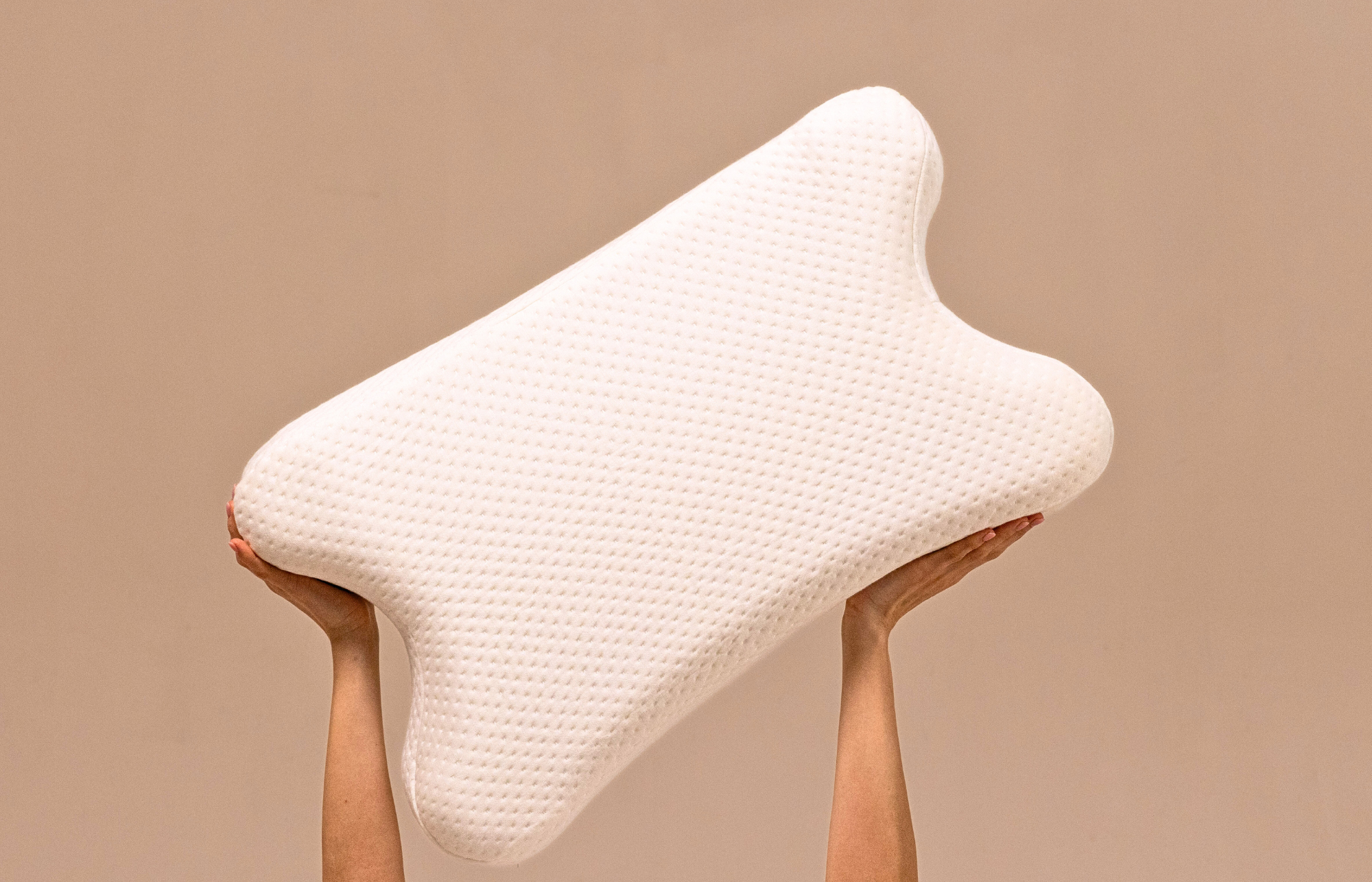
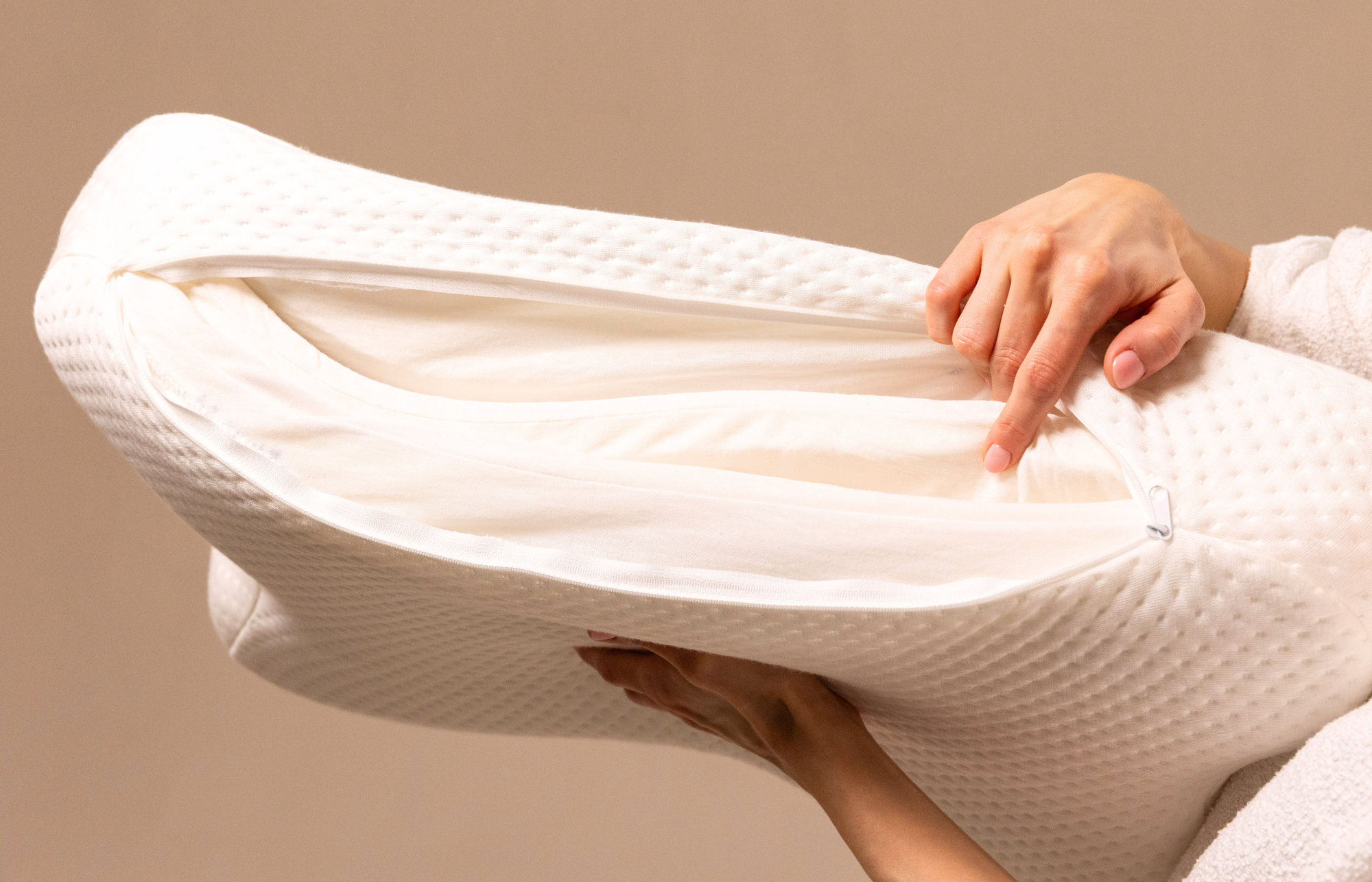
Our pillow for maximum sleep comfort

Questions & Answers about #SleepMaxing

Is sleepmaxxing healthy?

Sleepmaxxing can be healthy when it is based on proven sleep practices that promote sleep quality. By establishing routines such as avoiding screen time before bed and using warm lighting, sleepmaxxing can actually encourage restful sleep. It is important to choose only scientifically supported methods, as some TikTok trends, like mouth-taping, are controversial.

Which sleepmaxxing tips really work?

Some of the most effective sleepmaxxing tips include avoiding caffeine in the afternoon, having a relaxing evening routine, and reducing blue light exposure. Getting daylight exercise and maintaining a cool, dark sleeping environment also promote better sleep. These tips support natural melatonin production and encourage a regular sleep-wake cycle.

How can I improve my sleep quality without expensive gadgets?

Sleep quality can be improved without expensive gadgets. Try simple techniques like maintaining regular sleep schedules, avoiding screens before bedtime, and doing short relaxation exercises. Daily exercise and healthy eating habits also help you fall asleep faster and wake up refreshed.

Do you need expensive products for sleepmaxxing?

No, expensive products are often not necessary for better sleep. Essential steps like a relaxing evening routine, avoiding alcohol and caffeine in the evening, and a quiet sleeping environment are often enough. Natural aids like lavender oil or lemon balm tea can additionally promote relaxation without straining the budget.

How long does it take for Sleepmaxxing to improve sleep?

The effects of sleepmaxxing can be noticeable after just a few days, especially if a regular evening routine is maintained. However, it may take several weeks for the body to adjust to a new rhythm and for the full benefits to become apparent.

Research on Sleepmaxing Tips

Avoiding blue light in the evening:
Studies have shown that blue light from screens (e.g., smartphones and tablets) can inhibit melatonin production, making it harder to fall asleep. A study by Harvard Medical School confirmed that blue light can disrupt the sleep cycle when consumed in the evening.

Avoiding caffeine in the afternoon
A study in the Journal of Clinical Sleep Medicine showed that caffeine, even when consumed six hours before bedtime, can significantly impair sleep quality. Caffeine blocks adenosine, a molecule that promotes sleepiness in the body.

Regular sleep times (sleep-wake rhythm)
Regular sleep times stabilize the internal clock and improve sleep quality. A study in the Sleep Health Journal showed that people with a consistent sleep-wake rhythm experience better sleep quality and more restorative sleep.


Meditation and relaxation exercises before sleep

A randomized study by the American Academy of Sleep Medicine found that meditation practices such as mindfulness meditation improve sleep quality in people with insomnia. These techniques promote relaxation and reduce stress.

Daily exposure to daylight
Light plays a central role in the circadian rhythm. Studies, such as those in the Journal of Clinical Endocrinology and Metabolism, show that daylight regulates natural melatonin production and supports the sleep-wake rhythm.

Newest Tales

View all

Bauchschläfer Kissen: Das Richtige für die Bauchlage 2026

Bauchschläfer Kissen: Das Richtige für die Bauchlage 2026

Bauchschläfer haben es schwer: Die Bauchlage verdreht die Halswirbelsäule, belastet Nacken und Lendenwirbelsäule – und die meisten Kissen machen es noch schlimmer. Ein zu hohes oder zu hartes Kissen drückt den Kopf in eine unnatürliche Schräglage und sorgt morgens für...

Read more

Reisekissen Test 2026: Testsieger für Flugzeug, Auto & Zug

Reisekissen Test 2026: Testsieger für Flugzeug, Auto & Zug

Wer kennt das nicht: Stunden im Flugzeug, der Kopf sackt weg, der Nacken schmerzt – und der Urlaub beginnt mit Verspannungen. Ein gutes Reisekissen ist kein Luxus, sondern sinnvolle Investition. Wir haben die besten Reisekissen 2026 getestet und zeigen dir,...

Read more

Höhenverstellbares Kissen Test 2026: Testsieger & Kaufberatung

Höhenverstellbares Kissen Test 2026: Testsieger & Kaufberatung

Ein Kissen, das einfach nicht passt, zählt zu den häufigsten Ursachen für Nackenschmerzen, unruhigen Schlaf und morgendliche Verspannungen. Wer unter diesen Problemen leidet, findet in einem höhenverstellbaren Kissen oft die entscheidende Lösung – denn nur wenn das Kissen exakt zur...

Read more