

Finally, it’s vacation time again! Unfortunately, many people find it hard to sleep well and restfully while traveling. Sleep disturbances and lack of sleep can significantly reduce the enjoyment of travel or performance on business trips.
Why is it difficult to sleep while traveling?
Whether traveling for business or pleasure, it is normal to have trouble sleeping both on the way and at the destination. Although not everyone is affected, still, there are a number of reasons that can make it difficult to sleep well while traveling. The most common sleep disturbances during travel include:
- Jet lag
- Travel fatigue
- Sleeping in unfamiliar places
- Changes in routine
- Insufficient comfort
Jet lag
The effects of jet lag are caused by crossing time zones. A rapid change from one time zone to another can cause the body’s internal clock to no longer match the local time at the destination. Jet lag usually occurs when crossing at least two time zones. Depending on how long it takes for your internal clock to synchronize with the local time, jet lag symptoms can last from a few days to several weeks. Jet lag symptoms can make you feel uncomfortable and tired, often reducing your enjoyment of the trip.
Travel fatigue
Travel fatigue may receive less attention than jet lag, but it can be just as frustrating while traveling. Unlike jet lag, travel fatigue can occur on any trip. It can be caused by dehydration, lack of sleep, excitement, and many other factors.
Sleeping in unfamiliar places
When traveling, you often have to face new challenges. This can be one of the most exciting aspects of a trip away from home, but it can also make relaxation more difficult. Many people find it hard to fall asleep in an unfamiliar place, such as a hotel room, a vacation rental, or the home of a friend or relative. It is normal to have trouble falling asleep in an unfamiliar place, especially on the first night. New places also bring changes in the sleep environment that can make falling asleep harder and keep you awake, such as differences in temperature and humidity, new sounds and smells, bedding and mattresses with different textures, and altered lighting conditions.
Changes in routine
A fixed bedtime and a regular sleep rhythm (Link) are important prerequisites for good sleep. As every traveler knows, it can sometimes be very difficult to maintain the usual routines from home. Whether it’s a large time difference or a small shift in meal times or exercise routines, changes in routines can affect sleep quality.
Insufficient comfort
Especially on long trips by bus, train, car, or plane, lack of comfort is common, leading to neck pain and tension.
What can you do to sleep better while traveling?
Fortunately, taking steps in advance to adjust your sleep rhythm and choosing the right equipment can help you sleep more restfully and healthily, greatly improving your trip.
Tips for sleeping on planes, trains, or buses
Especially on long trips, it’s very valuable to be able to sleep during the journey to minimize the effects of sleep deprivation. This also allows you to start adjusting to the new sleep rhythm when traveling to a different time zone.
-
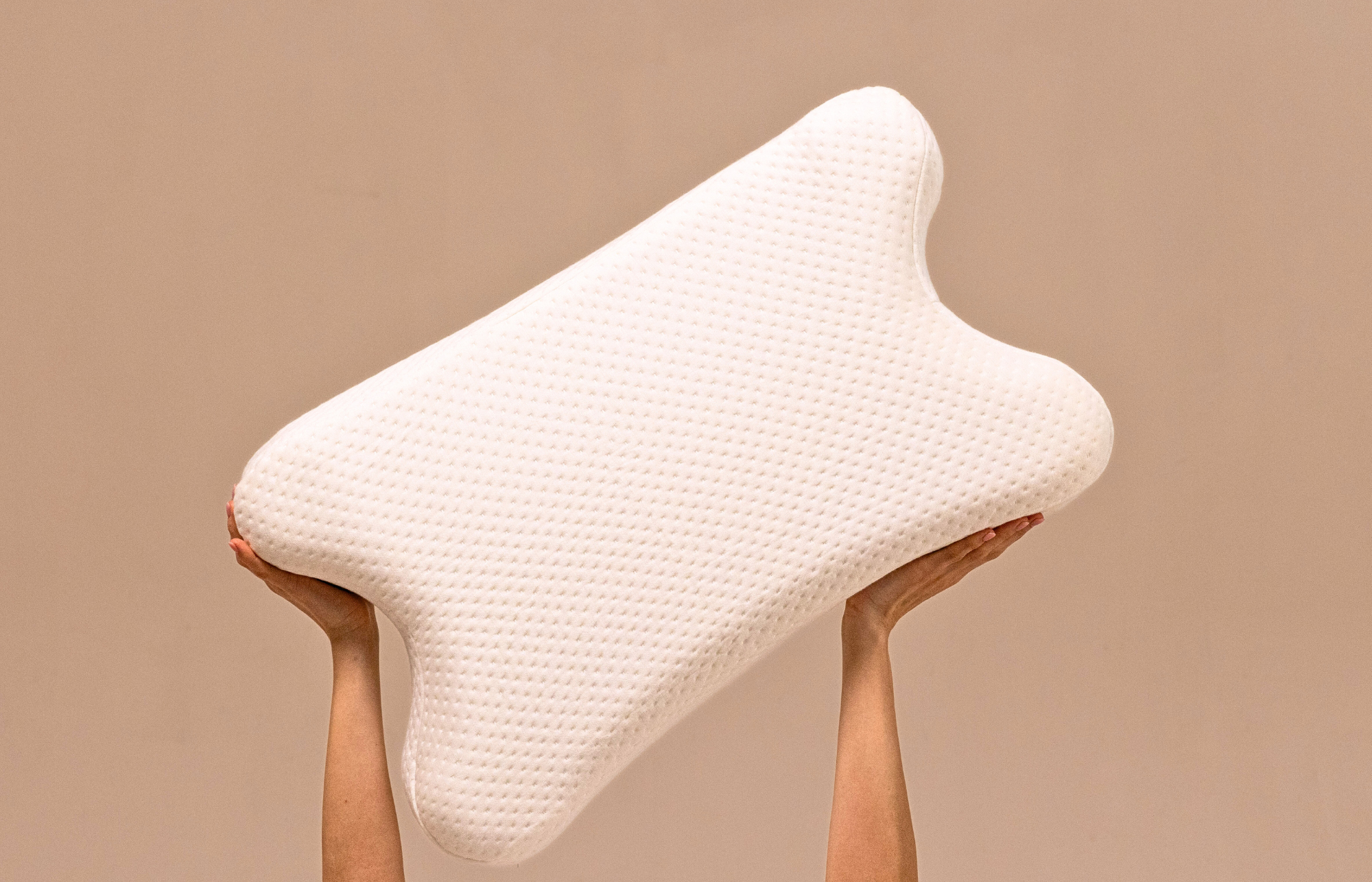
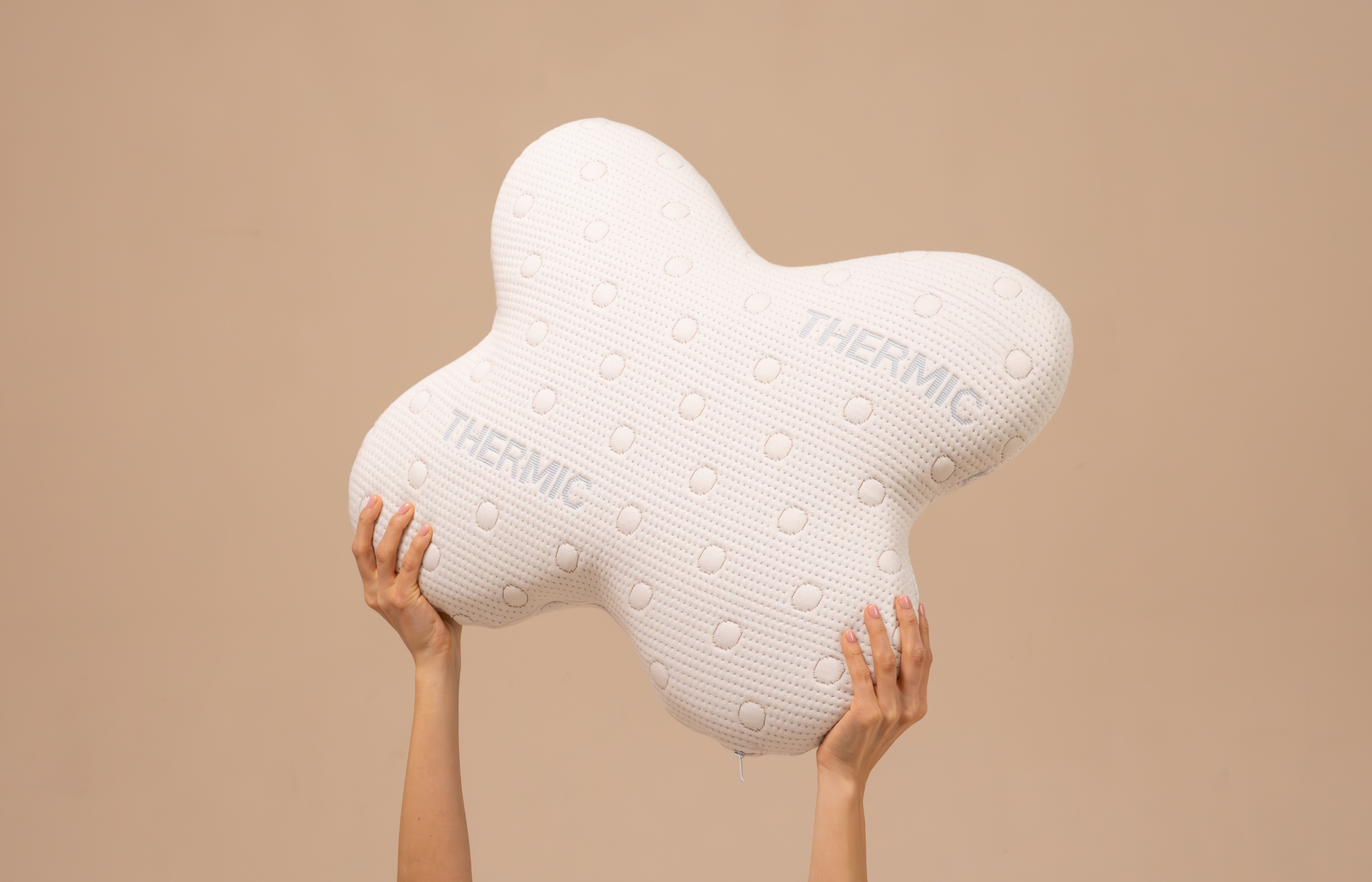
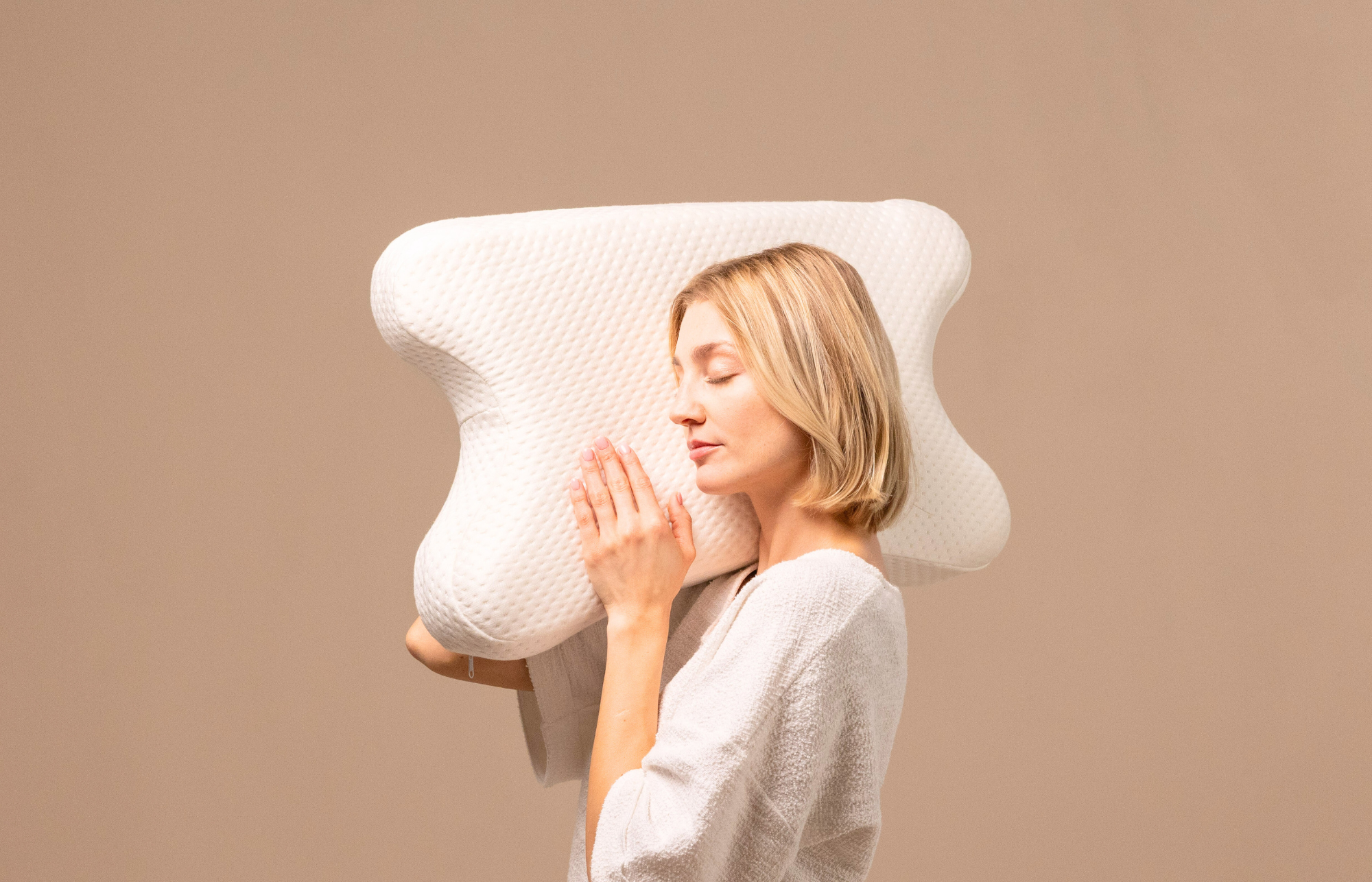
A good & ergonomic travel pillow
If you can support your head with an ergonomic pillow or neck support pillow, it can relieve your neck and help prevent tension and neck pain. The travel pillows from Third of Life offer the perfect balance between comfort and support thanks to the viscoelastic foam, which can relieve your neck. The ventilation channels running through the pillow also ensure perfect air circulation and moisture transport. -
Turn off electronic devices
Even though it’s tempting to work or play on your laptop while traveling, it’s not always a good idea. The blue light emitted by the screen reduces melatonin production in your body, an important hormone for sleep. -
Wear a sleep mask
Ambient light also suppresses melatonin levels. Blocking the light can help you feel sleepy and fall asleep faster. -
Earplugs or noise-cancelling headphones
Ambient light also suppresses melatonin levels. Blocking the light can help you feel sleepy and fall asleep faster. -
Cozy Clothing:
It's easier to sleep in comfortable, lightweight clothing. It's best to choose functional clothing that doesn't pinch, itch, or smell unpleasant. Our nightwear guarantees optimal temperature management – whether on a hot bus or a cold airplane – and still looks good.
Avior Sleep Shirt
Avior Sleep Pants
Tips for Overcoming Jet Lag
Although some jet lag symptoms are unavoidable, you can take steps both before the trip and after arriving at your destination to minimize jet lag symptoms. The goal of these steps is to synchronize your body's internal clock with the local time at your destination. If you adapt early to the new day-night rhythm, your body can adjust much better, helping you avoid sleep disturbances, fatigue, and bad mood during your vacation. If you gradually adjust your sleep schedule before the trip, you can reduce sleep problems after arrival. You can start adapting to the destination's time a few days in advance. If you travel west, you can go to bed a bit later than usual. If you travel east, go to bed a bit earlier. Especially while traveling, try to already orient yourself to the sleep and wake times of the destination.
Tips for better sleep in unfamiliar surroundings
Even though you can't completely eliminate possible disturbances in an unfamiliar place, there are some measures to at least reduce them and sleep better.
-
Consider the surroundings of the accommodation
Traffic noise caused by airplanes, trains, and busy streets can affect sleep quality. So it's better to pack some earplugs as well. -
Stick to your usual evening routine
Try to do calming and relaxing activities before going to bed. If you usually read a book before sleeping at home, you should do these things in the usual order to relax. -
Stick to your usual evening routine
Try to do calming and relaxing activities before going to bed. If you usually read a book before sleeping at home, you should do these things in the usual order to relax. -
Pay attention to a comfortable sleeping temperature
Heat and humidity make it harder to fall asleep and affect sleep quality. The ideal temperature is between 16 and 18 degrees Celsius. Here, functional nightwear and cooling pillows can be helpful. - Essential oils for relaxation & comfort
A pillow spray with essential oils can promote relaxation and falling asleep, helping you feel comfortable in any environment. Simply spray the scent in the room before going to bed.
the room.
-
Bring your own pillow
Your own pillow also minimizes the effect of feeling uncomfortable in unfamiliar environments, as your body is used to your pillow. The ergonomic travel pillows from Third of Life are especially easy to carry.
With these tips, you are now perfectly prepared for a relaxing trip and great experiences.
About Third of Life
Third of Life is backed by sleep experts with many years of experience who want to help you sleep better. In close collaboration with sleep researchers and based on studies from science and practice, we develop functional sleep products, from nightwear to pillows and duvets to mattress protectors, to improve the special third of our lives: sleep. In our magazine, we also provide helpful tips and recommendations for restful nights.
More on the topic:

Allergies and Sleep Problems
Optimizing Sleep After the Holidays: Returning to Healthy Sleep Habits