
The holidays are often a time of abundance and joy, but also a time when our normal sleep habits get disrupted. Rich food, late celebrations, and general excitement can disturb our natural sleep rhythm. This can lead to a range of problems, from tiredness to reduced immune function. But don’t worry, there are effective ways to get your sleep back on track after the holidays.
Why is it hard to sleep after the holidays?
The combination of heavy meals, sugar, alcohol, and irregular sleep times can disrupt our natural sleep rhythm. These factors can lead to poorer sleep quality, resulting in fatigue, irritability, and reduced performance.
- Changed Routines
- Excessive Eating and Drinking
- Increased Stress
- Reduced Physical Activity
Changed Routines
During the holidays, our daily habits often change. Late celebrations and holiday routines cause us to go to bed and wake up at unusual times. This irregular sleep schedule can disrupt our circadian rhythm, the body's internal clock. This rhythm regulates the sleep-wake cycle and is crucial for restful sleep.
Excessive Eating and Drinking
Festive meals are often rich in fats, sugar, and calories and can burden the body. Hard-to-digest foods strain the digestive system and can cause discomfort, disturbing sleep. Alcohol, although initially making you sleepy, disrupts REM sleep, the phase of deepest and most restorative sleep.
Increased Stress
Holidays can be emotionally demanding. The stress caused by planning events, family gatherings, or travel can lead to increased tension. Stress is a known sleep disruptor because it keeps the mind busy and makes falling asleep harder.
Reduced Physical Activity
The holidays tend to be less active, which can negatively affect sleep. Regular physical activity promotes tiredness in the evening and helps achieve deeper sleep. Without enough exercise, the body may be less ready to enter a restful state, leading to difficulty falling asleep.
What can you do to sleep better after the holidays?
To sleep better after the holidays, you should maintain a regular sleep schedule, prefer light meals, reduce stress with relaxation techniques, stay physically active regularly, and keep your bedroom quiet, dark, and cool.
Strategies for Optimizing Sleep
Strategies for optimizing sleep include maintaining a regular sleep schedule, avoiding heavy meals and stimulants before bedtime, regular physical activity, creating a quiet and comfortable sleep environment, stress reduction through relaxation techniques, and the use of natural aids like herbal teas. These measures can help normalize the sleep-wake cycle and improve sleep quality after the holidays.
SLEEP SCHEDULE
- Regularity in the sleep-wake cycle: A fixed bedtime helps stabilize the circadian rhythm, which is crucial for restorative sleep. REM sleep, also known as "Rapid Eye Movement" sleep, is a critical phase of the sleep cycle during which dreams most often occur. This sleep phase is important for cognitive function and memory formation. An average sleep cycle lasts about 90 minutes, with the proportion of REM sleep increasing with each cycle. A regular bedtime and consideration of the 1.5-hour sleep cycle can help improve sleep quality by ensuring that REM sleep is not abruptly interrupted. This leads to more restful and efficient sleep.
- Developing sleep rituals: Soothing activities like reading, a warm bath, or light stretching can signal that it’s time to sleep.
NUTRITION FOR BETTER SLEEP
- Light, balanced meals in the evening: Avoiding heavy, fatty foods before bedtime promotes digestion and prevents discomfort during the night.
- Reducing stimulants: Caffeine and alcohol, especially in the evening, can disrupt sleep and should be reduced.
PHYSICAL ACTIVITY
- Regular, moderate exercise: Physical activity promotes tiredness and supports deeper sleep.
- Relaxation techniques: Practices like yoga or light stretching exercises in the evening can help relax the body and mind.
OPTIMIZING THE SLEEP ENVIRONMENT
- Creating a quiet, dark, and cool atmosphere: Such an environment is conducive to good sleep. Blackout curtains, earplugs, and a pleasant room temperature can be helpful. The ideal temperature is between 16 and 18 degrees Celsius. Here, functional nightwear and cooling pillows can be helpful.
- Investment in sleep comfort: A good mattress and suitable pillows support a comfortable sleeping position and promote sleep comfort.
ABOUT AILIGNER
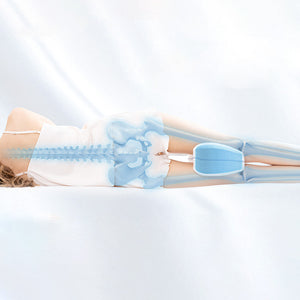
Optimize your sleep with our AI-based technology. We analyze your body type and sleep posture to provide individual recommendations for pillows and mattresses. By measuring and analyzing your posture and sleep position, we identify deviations from the ideal position.
You receive personalized recommendations for the ideal sleep position based on AI analysis to effectively improve your sleep.
MANAGING STRESS
- Learning relaxation techniques: Meditation, deep breathing exercises, and progressive muscle relaxation can calm the mind and prepare the body for sleep. If you usually read a book at home before sleeping, you should do these things in the usual order to relax.
- Avoiding screens before bedtime: The blue light from screens can disrupt melatonin production and should be avoided.
SUPPLEMENTS AND HERBS
- Melatonin as a supplement: It can be useful to restore the natural sleep rhythm but should be used cautiously and under medical supervision.
- Herbal teas: Soothing teas like chamomile or valerian can have a relaxing effect and are a natural aid for better sleep.
COZY CLOTHING
- It’s easier to sleep in comfortable, lightweight clothing. It’s best to choose functional clothing that doesn’t pinch, itch, or smell unpleasant. Our nightwear guarantees optimal temperature management – whether on a hot bus or a cold airplane – and still looks good.
Avior sleep shirt
Avior sleep pants
A pillow spray with essential oils can promote relaxation and falling asleep, helping you feel comfortable in any environment. Simply spray the scent before going to bed in
the room.
About Third of Life
Third of Life is backed by sleep experts with many years of experience who want to help you sleep better. In close collaboration with sleep researchers and based on studies from science and practice, we develop functional sleep products, from nightwear to pillows and duvets to mattress protectors, to improve the special third of our lives: sleep. In our magazine, we also provide helpful tips and recommendations for restful nights.
More on the topic:

Restful Sleep While Traveling
Romance and Relaxation on Valentine's Day: Enhance Your Love and Sleep Quality