Why it’s important to clean pillows regularly
We all spend an average of eight hours a day in bed. During this time, we sweat and move or turn around. It’s completely natural to release sweat at night or leave traces of hair care products, skin creams, or other residues on our bedding—a perfect breeding ground for dust mites and bacteria. Over time, unpleasant odors can develop, which may lead to allergies and skin inflammations in the long run. To prevent this, it is a hygienic must to regularly wash not only the duvet but also the pillow. However, when caring for pillows, some rules must be observed.
Washing pillows: pay attention to the washing instructions
Before washing the pillow, check the washing instructions. The care label is sewn into the edge on most pillows. The symbols on the label tell you how to wash and dry the pillow core without damaging the product’s quality. Some bedding can be cleaned on a gentle cycle, others not at all. For machine washing: generally, mild detergent should be used and fabric softener avoided. For bulky pillows, a water plus program ensures that detergent is thoroughly rinsed out and no residue remains in the pillow. That covers the basics, but depending on the filling material, different pillow types can have very different care requirements, so it’s worth checking the washing instructions for each model individually.
Caring for visco foam pillows: the washing machine is off-limits
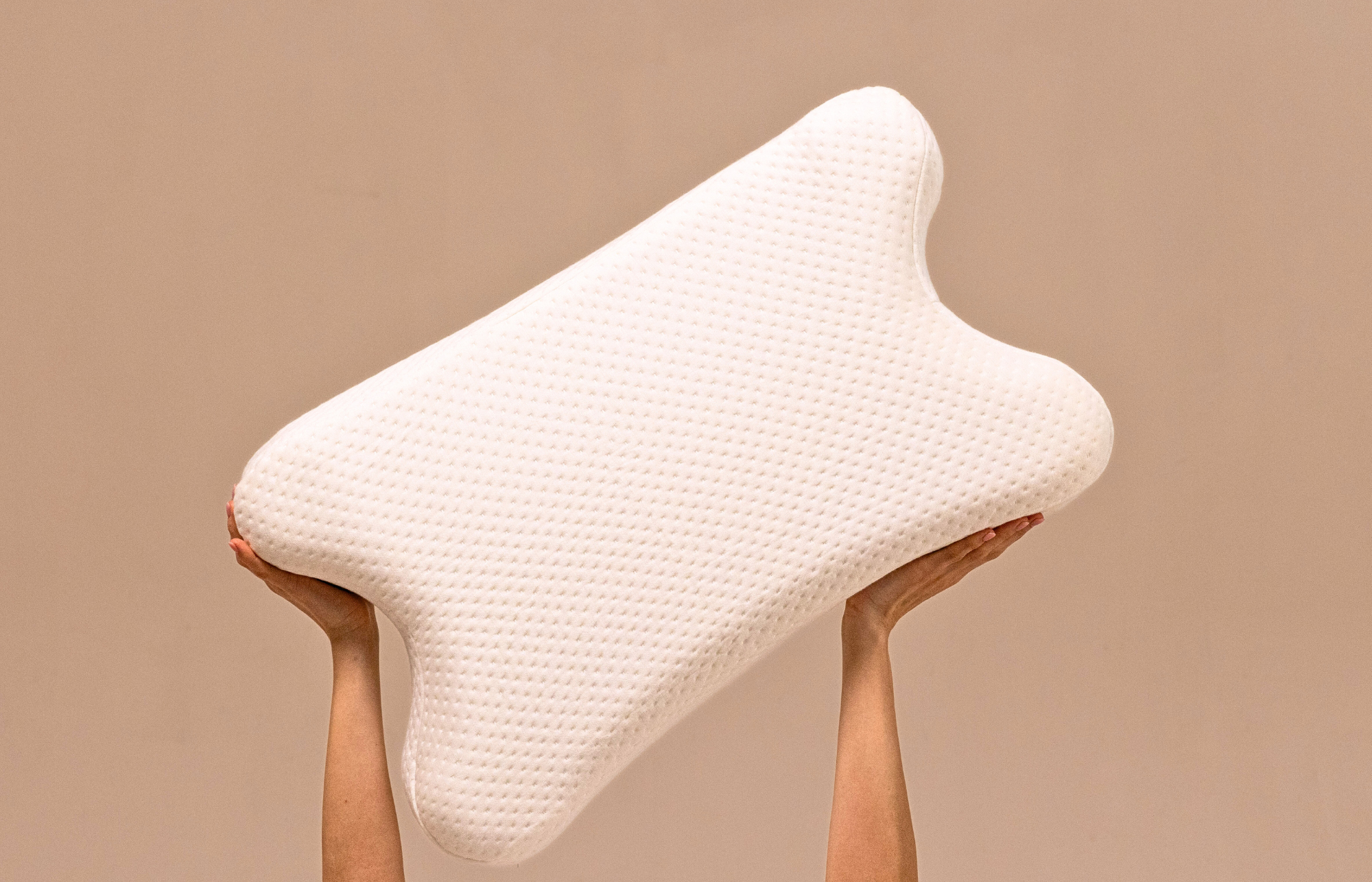
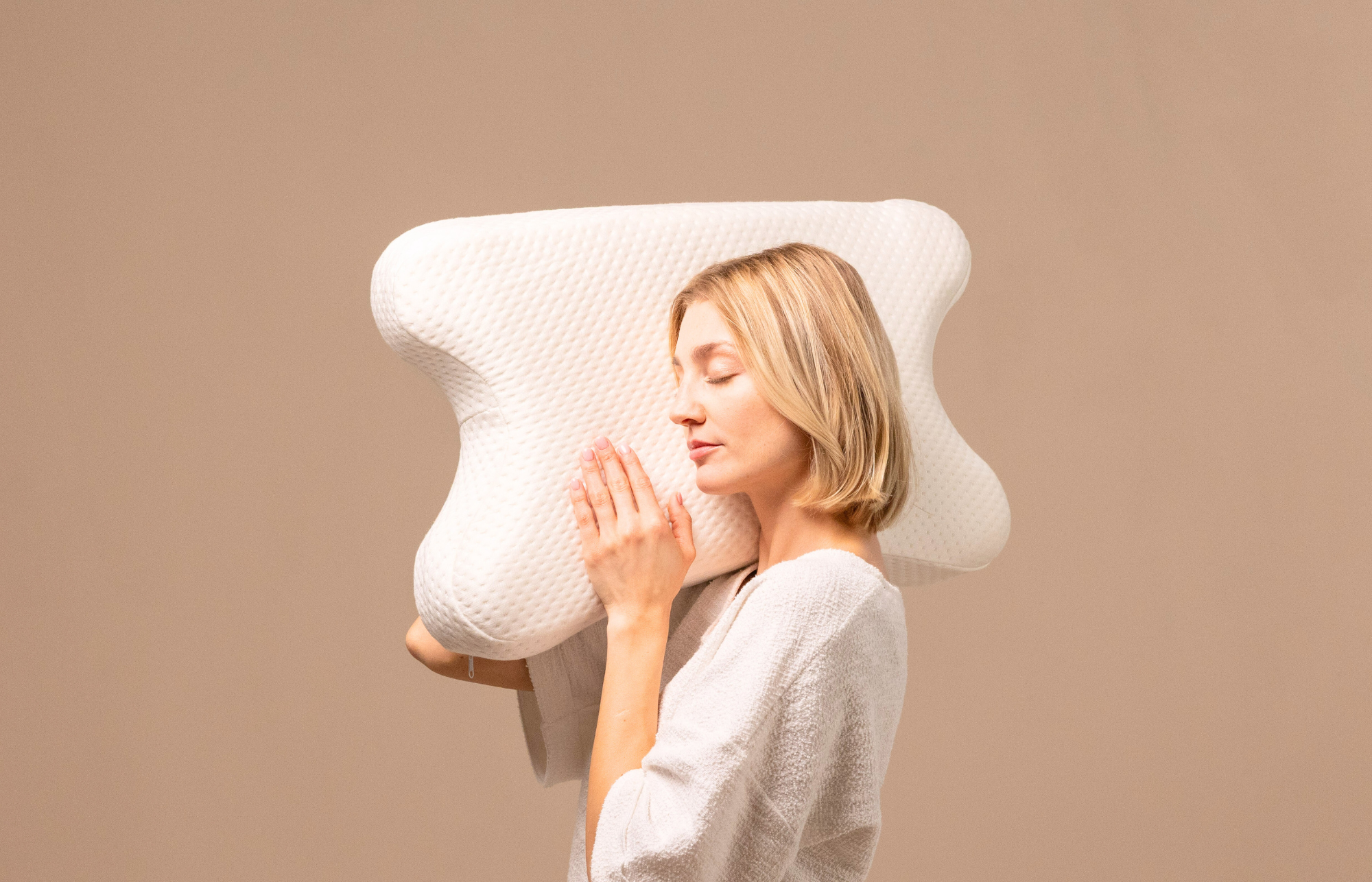
Ergonomically shaped pillows made of visco foam, including the Third of Life pillows, have a shape-retaining filling. Therefore, they must never be machine washed. However, there is a tip on how you can still clean a pillow: sprinkle baking soda on the core and let it sit for several hours. Afterwards, you can thoroughly vacuum the powder. This helps to neutralize odors and kill bacteria. Alternatively, you can soak a damp cotton cloth with some liquid mild detergent and rub the soiled areas. Surface odors and bacteria can be removed with hygiene spray or fabric freshener. Other pillows with special fillings, such as grain pillows, should also not be washed. If you are unsure whether your pillow is suitable for machine washing, feel free to contact the manufacturer's customer service.
How to properly wash and dry down pillows
Down pillows should be washed about every two years. If the care label allows and your washing machine is large enough, you can wash feather pillows at home. However, if the pillow doesn’t fit loosely in the drum, it’s better to take it to a professional cleaner.
You can wash the down pillow on a gentle cycle or wool cycle at 40 degrees; some can even be cleaned at 60 degrees. Tip: With two to three clean tennis balls in the dryer, the filling won’t clump and the pillow dries faster.
Low-maintenance: microfiber pillows and polyester pillows
Most microfiber fillings can be washed with a heavy-duty detergent at 60 degrees. At this temperature, dust mites and bacteria have no chance. It’s best to put only one pillow per wash cycle in the drum and avoid fabric softener. For polyester pillows, a gentle wash at 30 degrees is recommended. Many manufacturers recommend delicate detergent for this. When in doubt, always follow the manufacturer’s care instructions to enjoy your pillow for a long time.
Don’t forget to wash pillowcases
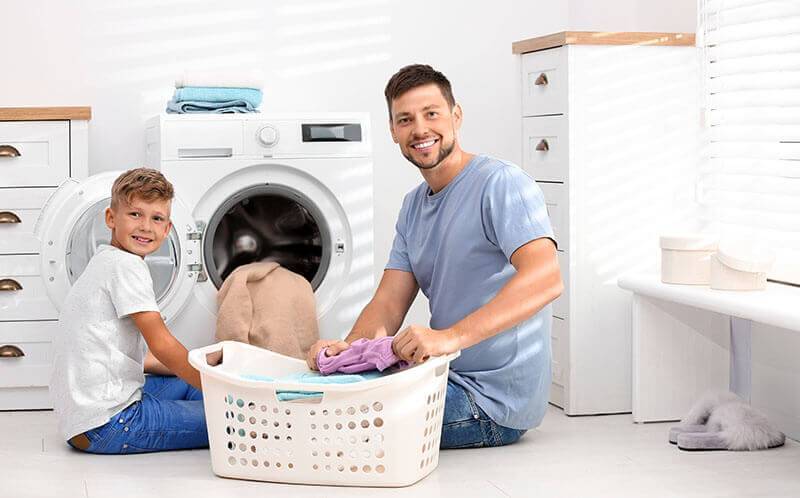
Even if the pillow core depending on the filling does not always belong in the washing machine, the pillowcases can and should be washed in the machine. You can find the respective washing temperature on the care labels of the covers. Fabric softener can also be omitted here.
How to dry pillows properly
Regardless of whether your pillow can be cleaned in the washing machine – you should avoid putting pillows in the dryer afterwards. Even gentle drying can already affect the quality and durability of the different fillings. Instead, opt for the old-fashioned alternative: whether a drying room or a clothesline in the garden – your pillow dries best in the fresh air.
Many fillings, many models, a lot to consider when washing your pillow. To avoid washing your pillow incorrectly and possibly damaging it, the rule of thumb is: check with the respective manufacturer for the care instructions of your model so you can enjoy it for a long time.
About Third of Life
Third of Life is backed by sleep experts with many years of experience who want to help you sleep better. In close collaboration with sleep researchers and based on studies from science and practice, we develop functional sleep products, from nightwear to pillows and duvets to mattress protectors, to improve the special third of our lives: sleep. In our magazine, we also provide helpful tips and recommendations for restful nights.
More on the topic:

Third of Life was awarded the Ergonomics Innovation Award 2020
Neck Pain After Waking Up