
The midday nap or power nap can be very healthy and performance-enhancing if used correctly. Wif you do everything right here, studies show it can
- reduce stress levels,
- reduce the risk of cardiovascular diseases,
- the ability for critical decisions and
- improve attention to detail.
We’ll show you which points you need to consider!
Midday nap - yes or no?
Midday napping is an effective way to reduce or proactively prevent a possible sleep deficit. That’s why midday napping makes sense when
- you have no trouble falling asleep and
- you either slept poorly and/or too little the previous night or
- you will be going to bed late the coming night.
Our biorhythm is biphasic. That means we have a small dip in the early afternoon (e.g., reduced attention and body temperature) and midday napping is something natural. Half the world’s population takes a midday nap!
Still: Those who regularly have trouble falling asleep should be cautious, as it can reduce the pressure to fall asleep and thus worsen insomnia problems. However, those who have trouble staying asleep or often wake up too early are especially encouraged to take a daily power nap!
And yes, you read that right, even those who know they’ll go to bed late (party, travel, etc.) can use the midday nap to "sleep ahead."
This way, you’ll be fitter in the evening and can tackle the next day without a sleep deficit despite a short night!
When is the best time for a power nap?
To be able to fall asleep quickly at noon and not jeopardize falling asleep in the evening, two things are important:
- Right timing:
Follow the rule of thumb "12 hours after the middle of your last night," and you'll have your power nap exactly when your body needs it most. For most people, that's between 2 and 4 PM. - Regularity:
The more often and regularly you do something, the easier it gets – this also applies to the midday nap. If you want to do it right, take it daily! This makes falling asleep easier and the sleep more restorative.
If you try to take a power nap but simply can’t fall asleep, don’t worry. Just 15-30 minutes of relaxation already help you recharge your energy stores, and over time it will become easier for you to fall asleep quickly – as mentioned, it’s just a matter of habit.
What is the optimal length of a power nap?
In principle, a power nap should not last longer than 15 to 30 minutes (actual sleep time), otherwise you fall into deep sleep and risk
to feel exhausted and worn out afterward. So be sure to set an alarm and factor in the time it takes to fall asleep, e.g., 10 minutes.
But where and how... in the middle of the day?
The so-called sleep hygiene rules that apply to nighttime sleep also apply to the midday nap: dark, quiet, cool, comfortable, and undisturbed.
Since most people are at work at that time, this is not so easy. On the one hand, the power nap is still not socially accepted like cigarette or coffee breaks, even though it would be infinitely more valuable for both people and companies! On the other hand, there are usually no good places for a short power nap at the workplace.
If you have the opportunity to retreat quietly, it’s best to follow these points for a restful power nap:
- close the door,
- hang a "Do not disturb!" sign on the door,
- turn off your phones or at least put them on silent,
- darken the room or use a sleep mask,
- use earplugs if necessary,
- stop drinking coffee after breakfast and
- try to clear your mind before the power nap.
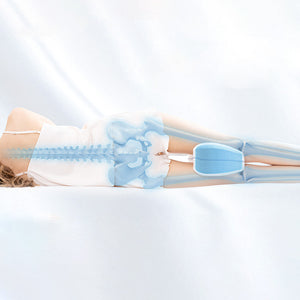
Which sleeping position is best for me?
The ideal room climate for the bedroom