Expert knowledge and news
Magazine
Side Sleeper Pillow Guide 2025: The Ultimate Guide to Healthy Sleep
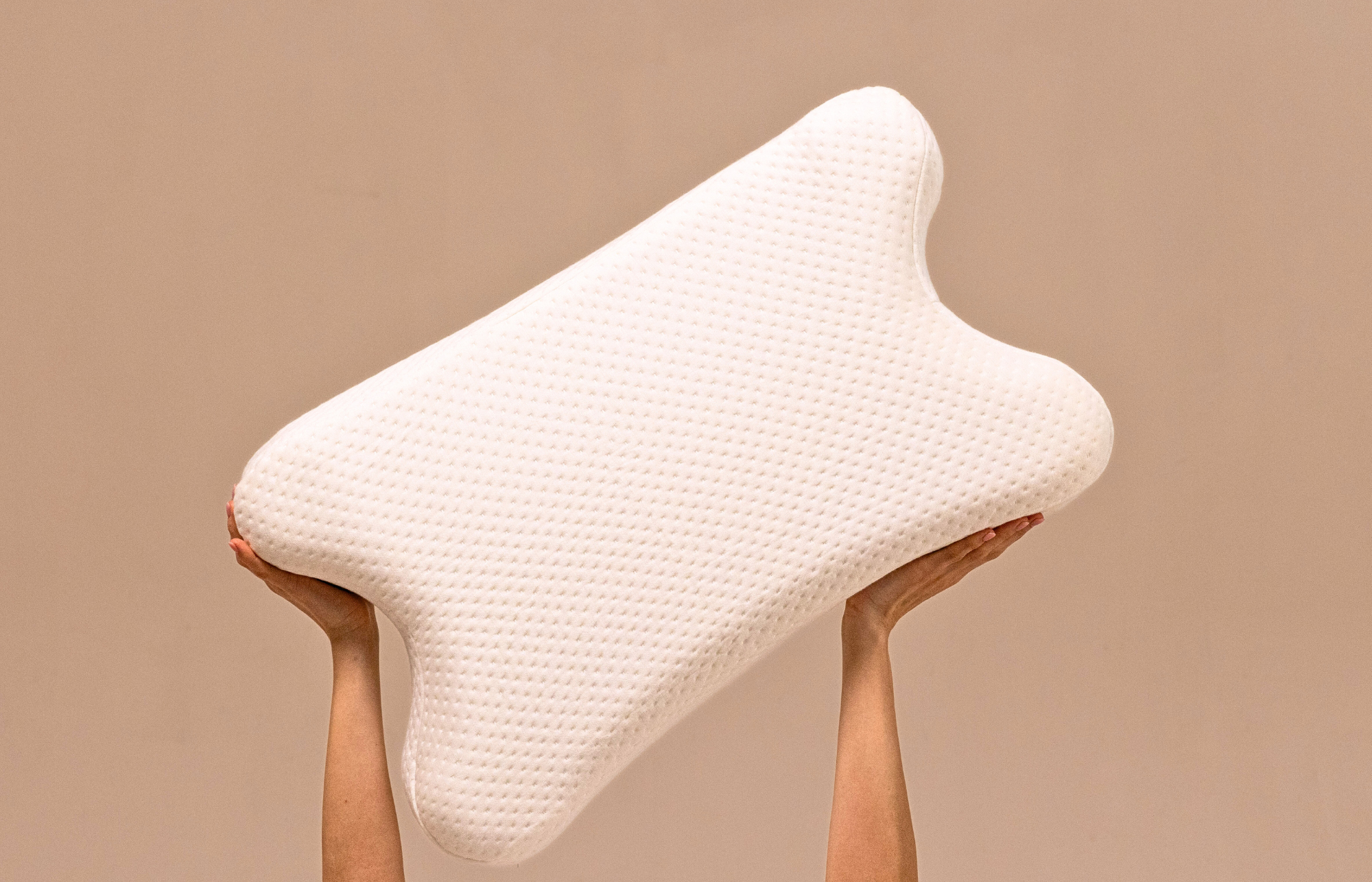
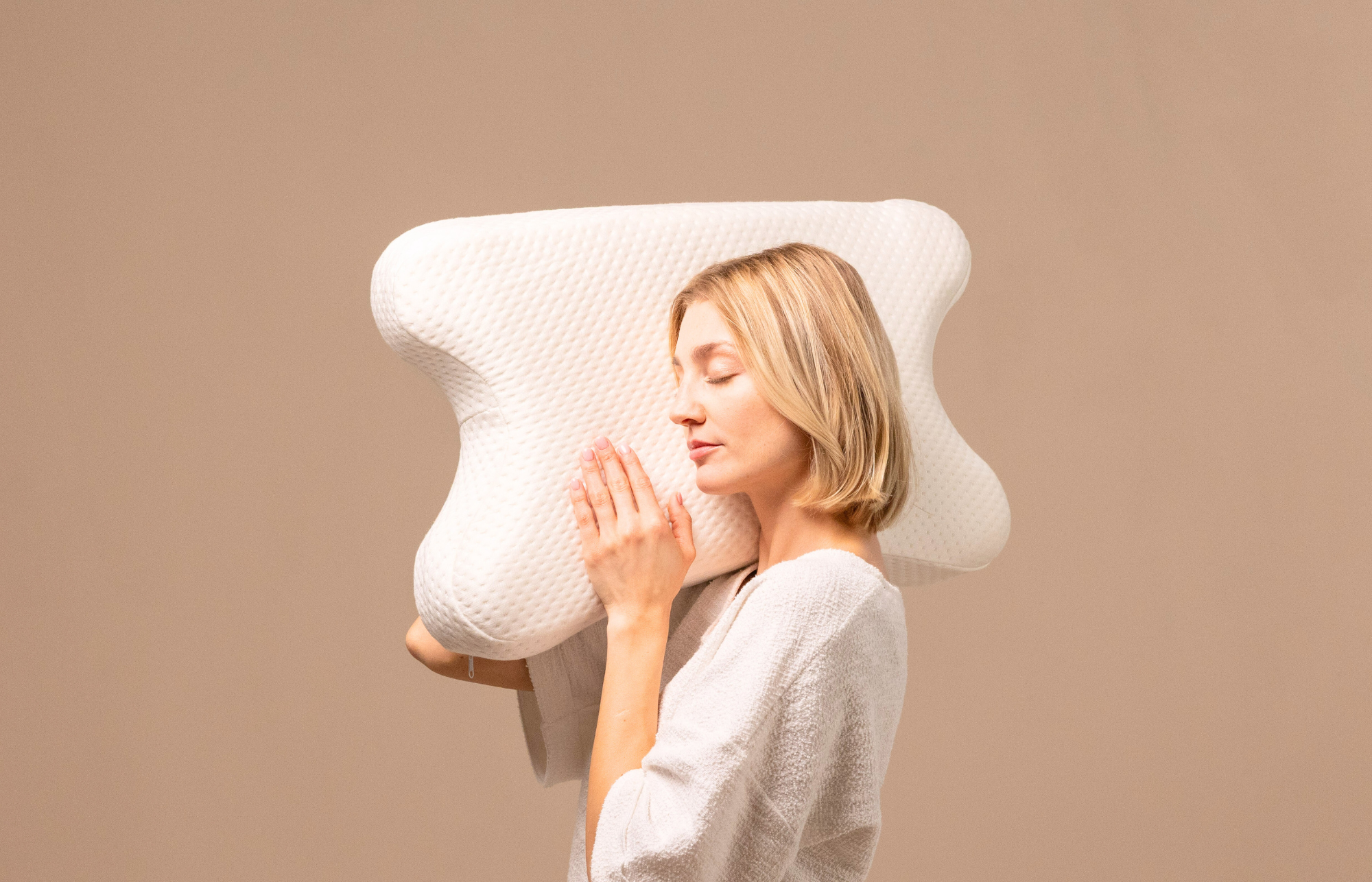
In Germany, over 75% of working people suffer from sleep problems due to the wrong pillows. An ergonomic side sleeper pillow with memory foam, OEKO-TEX certification, and individually adjusted height (8-13cm depending on body type) can reduce neck tension by up to 80%
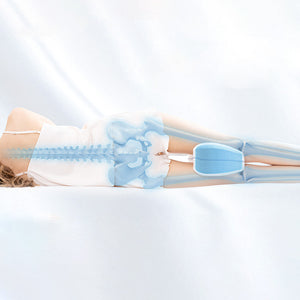
Kniekissen Test 2026: Das beste Kniekissen für Seitenschläfer
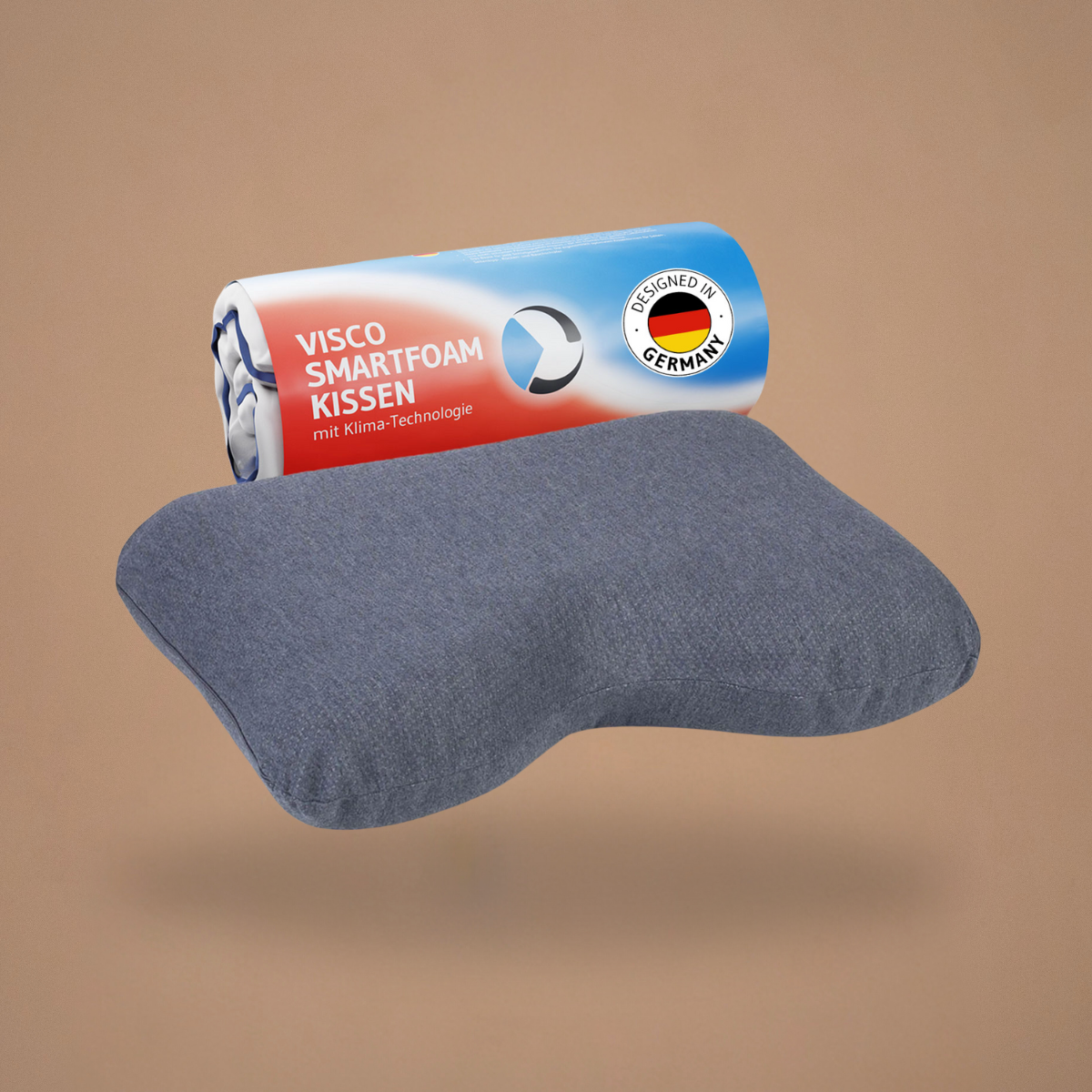
Kniekissen im Test 2026: Welches Kissen für Seitenschläfer überzeugt – mit Testsieger.de-Note 1,6, ehrlichen Nachteilen und Kaufberatung.
Bauchschläfer Kissen: Das Richtige für die Bauchlage 2026
2026 Reisekissen im Test - für Flugzeug, Auto & Zug
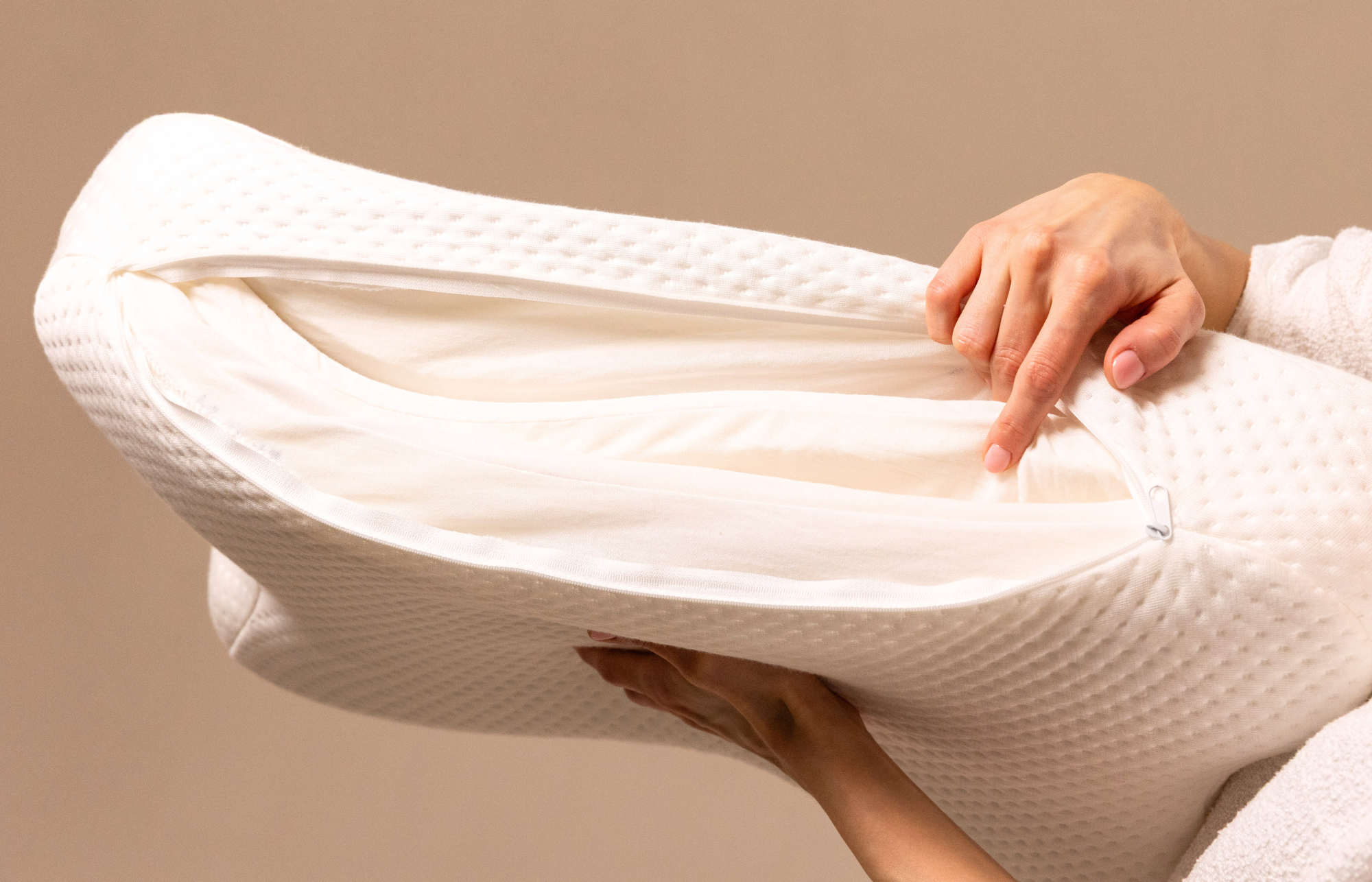
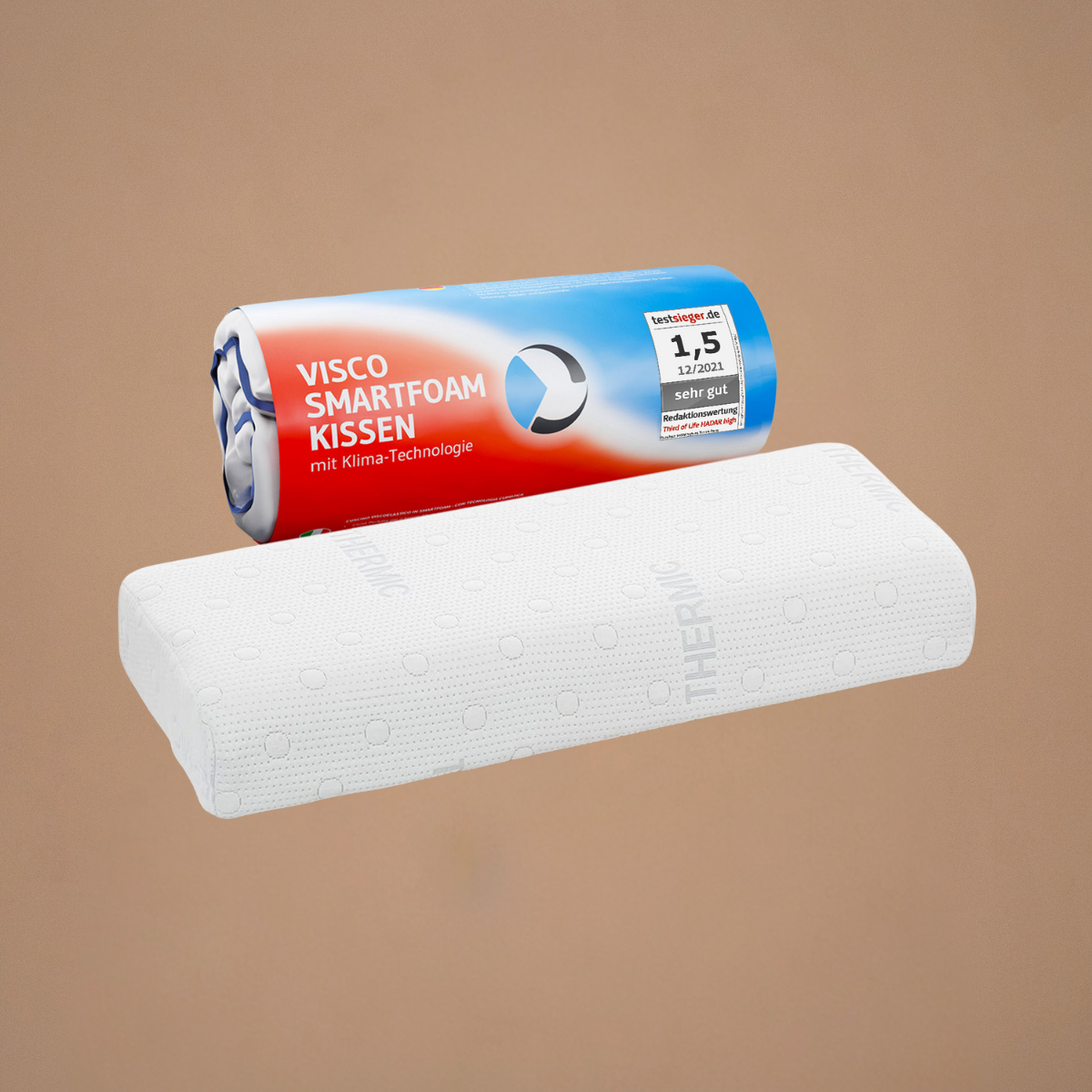
Höhenverstellbares Kissen Test : Testsieger.de Bewertung & Kaufberatung 2026
In diesem Ratgeber zeigen wir dir, worauf es beim Kauf ankommt, welche Modelle im Test überzeugen und warum der aiLigner Pillow von Third of Life mit der Testnote 1,4 bei Testsieger.de zum Spitzenreiter geworden ist.
Nackenschmerzen durch falsches Kissen – Ursachen, Symptome und die richtige Lösung
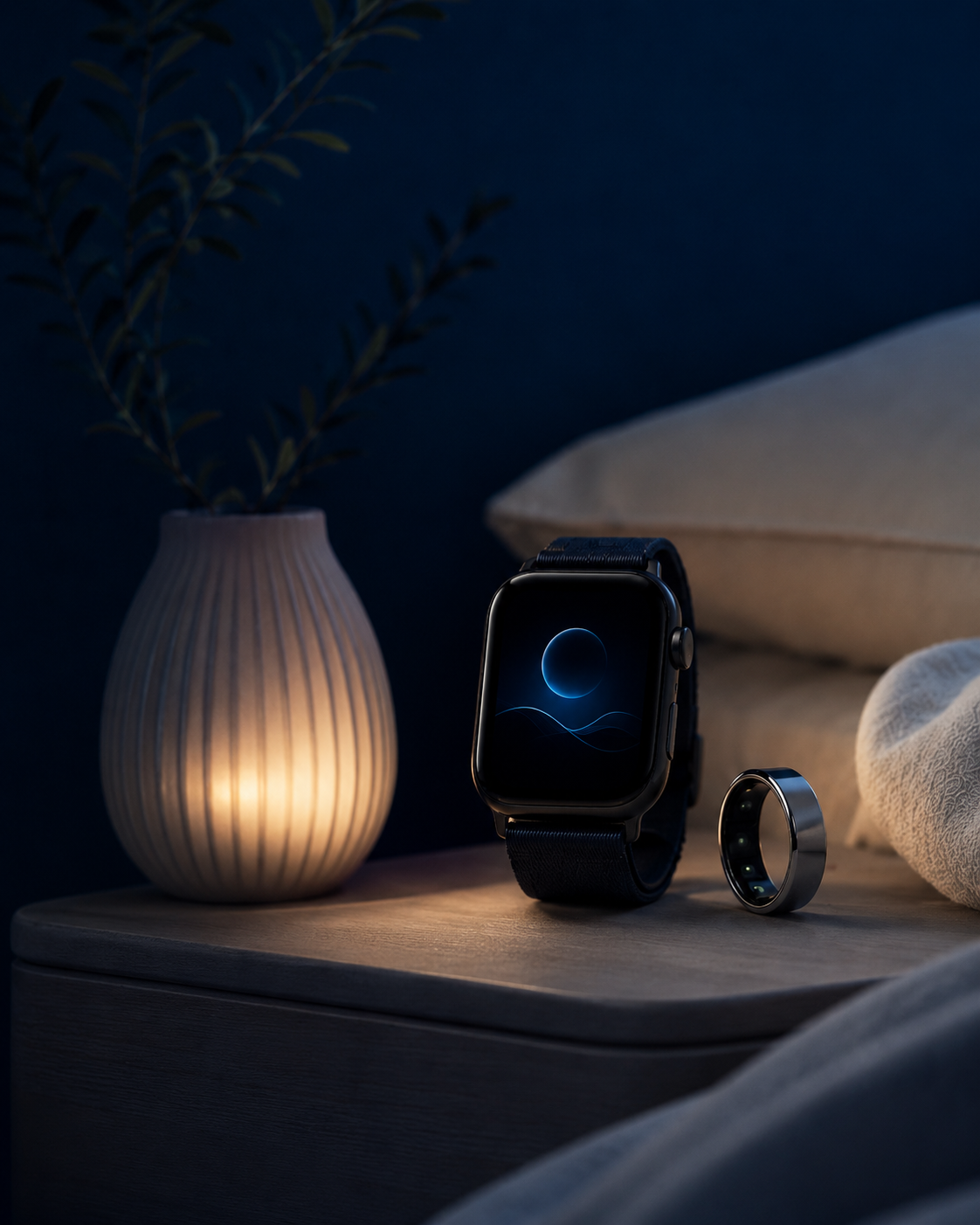
Sleep Score - Was dein Wearable dir wirklich sagt und, was Apple Watch und Co nur raten.
Seit smarte Uhren und Ringe, wie sie Apple, Samsung, Oura oder auch Garmin in immer größerer Auswahl auf den Markt bringen, unsere Nächte beobachten, haben sich rund um den „Sleep Score" eine Reihe von Missverständnissen etabliert. Was steckt wirklich dahinter?
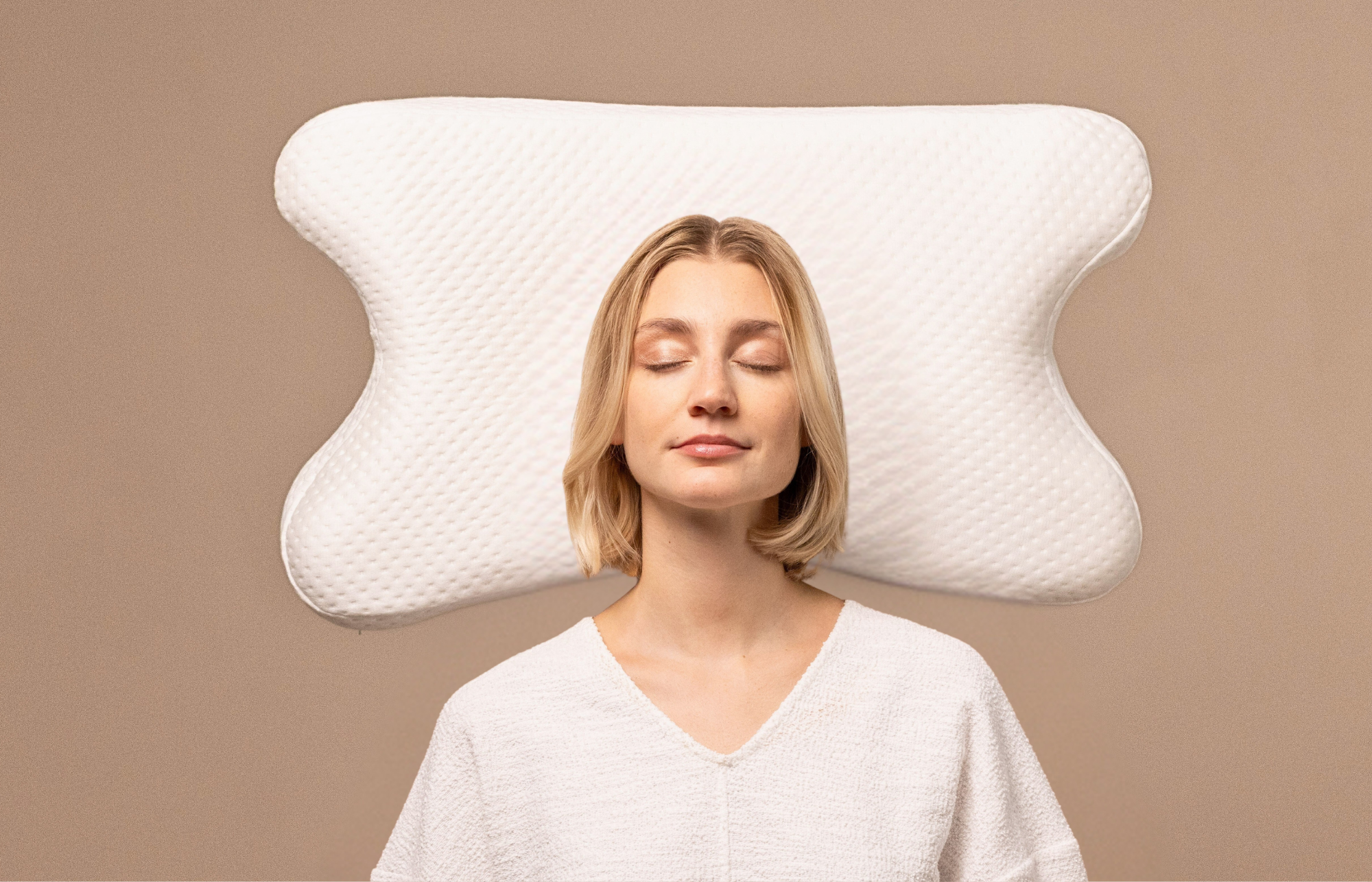
ailigner Pillow - The Alternative.

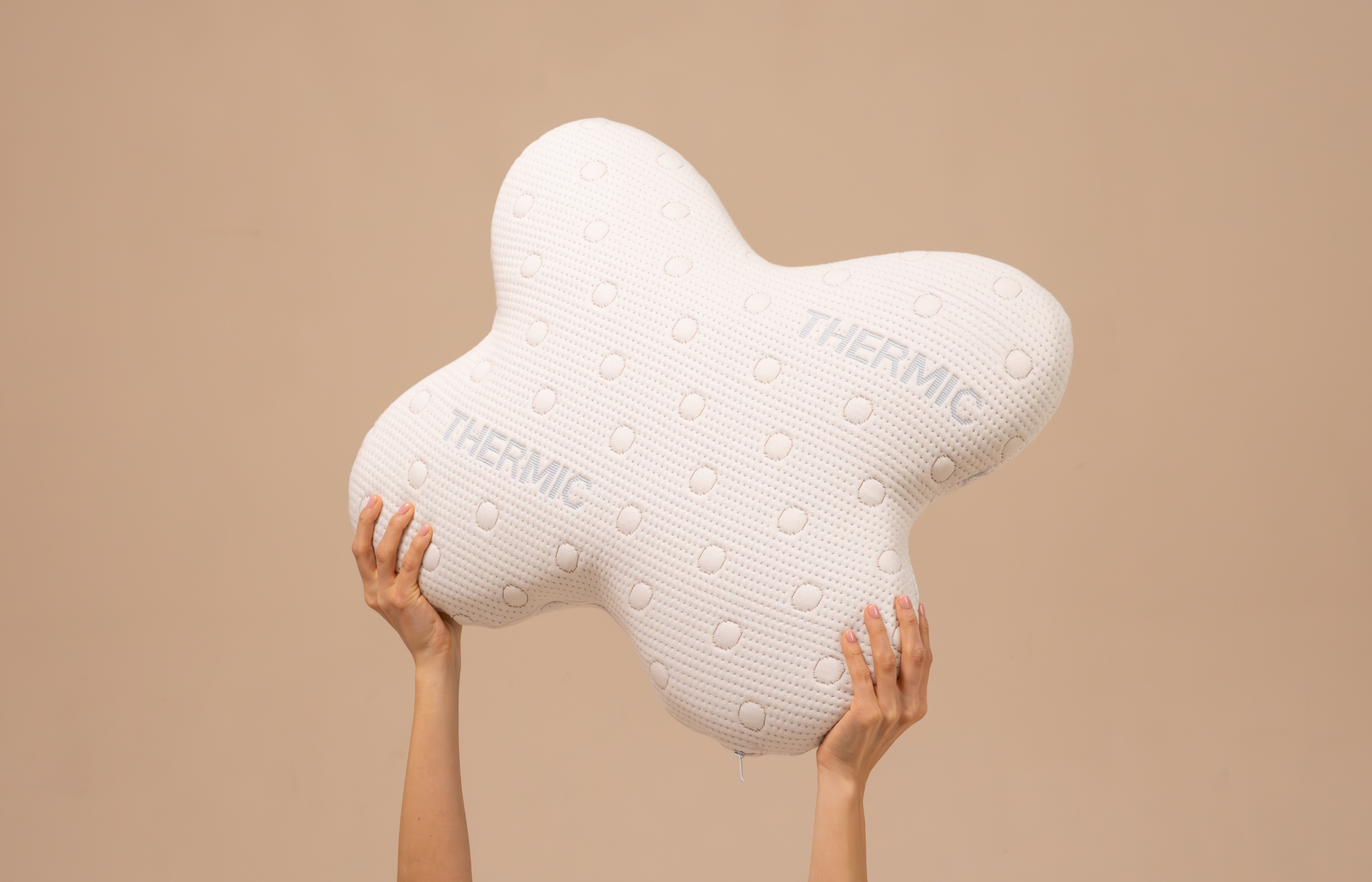
Sleep Better with Improved Temperature Management – Here’s How
Anyone who is too warm or too cold at night sleeps more restlessly – everyone feels that immediately. But temperature is much more than a matter of comfort: it actively controls how deep and restorative our sleep is. Studies have shown for years that the body falls asleep best when it can efficiently release excess heat and the core body temperature slightly drops.
Discover our bestsellers