
Sleep research is currently undergoing a true revolution. While just a few years ago we mainly relied on experience and basic physiological knowledge, new technologies and innovative research approaches are opening completely new perspectives on the phenomenon of sleep. Studies from 2023 and 2024 have fundamentally changed the understanding of restorative sleep and show concrete ways to optimize our nightly regeneration.
Starting now, we will share new insights about sleep every week:
Breakthroughs in Sleep Architecture Research
Recent research has shown that the traditional classification of sleep phases is only the tip of the iceberg. Scientists at Stanford University discovered in 2025 that within the known REM and Non-REM phases there are micro-cycles crucial for recovery quality. These micro-cycles last between 90 seconds and 4 minutes and are largely responsible for how refreshed we feel the next morning.
Particularly fascinating is the finding that the quality of these micro-cycles is strongly influenced by the sleep environment. The researchers found that even minimal disturbances—whether from unsuitable pillows, incorrect room temperature, or suboptimal mattresses—can significantly impair these fine regeneration processes. This underscores the importance of a thoughtfully designed sleep environment, where every element, from the ergonomic neck support pillow to the breathable duvet, plays a role.
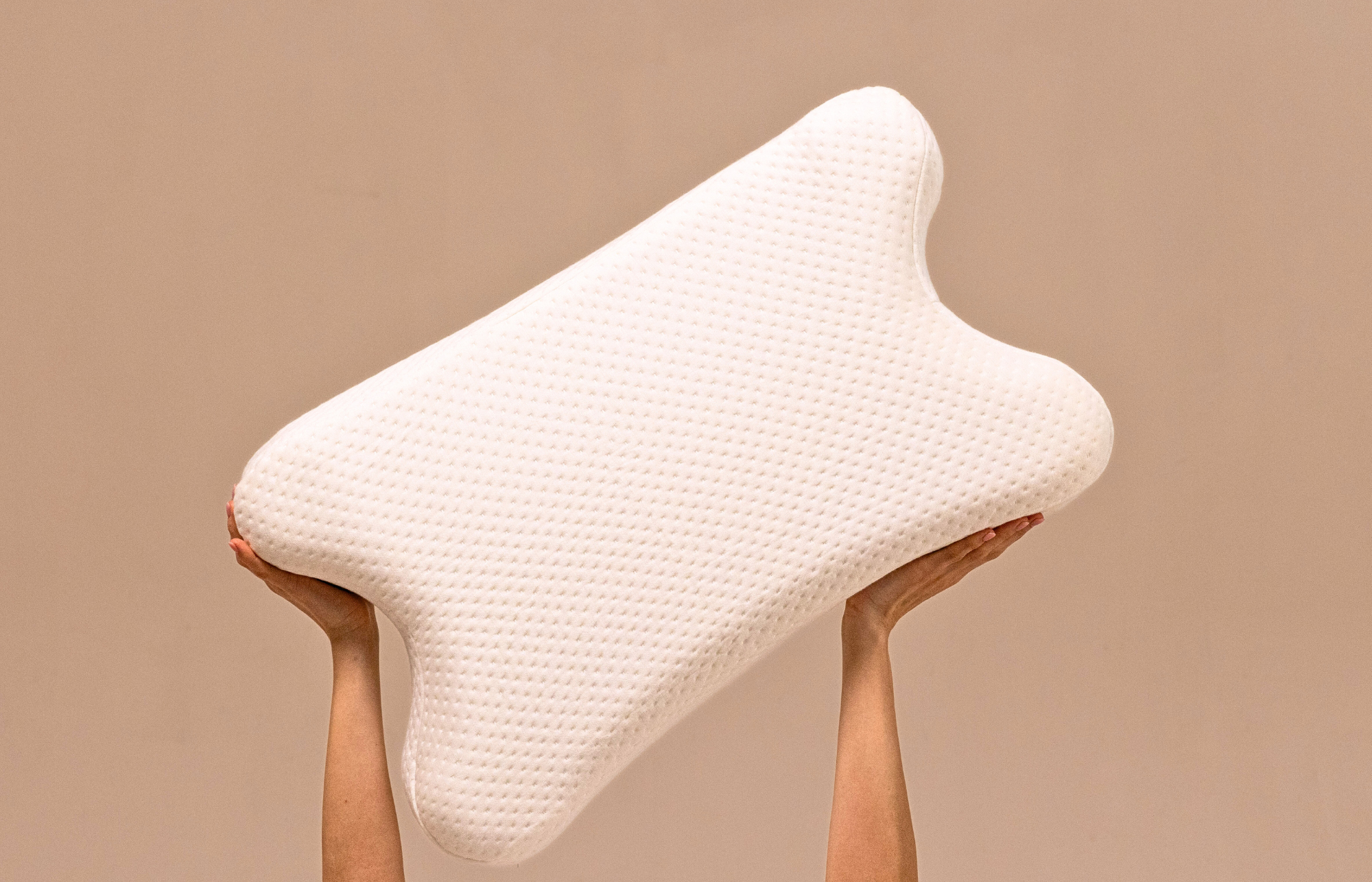
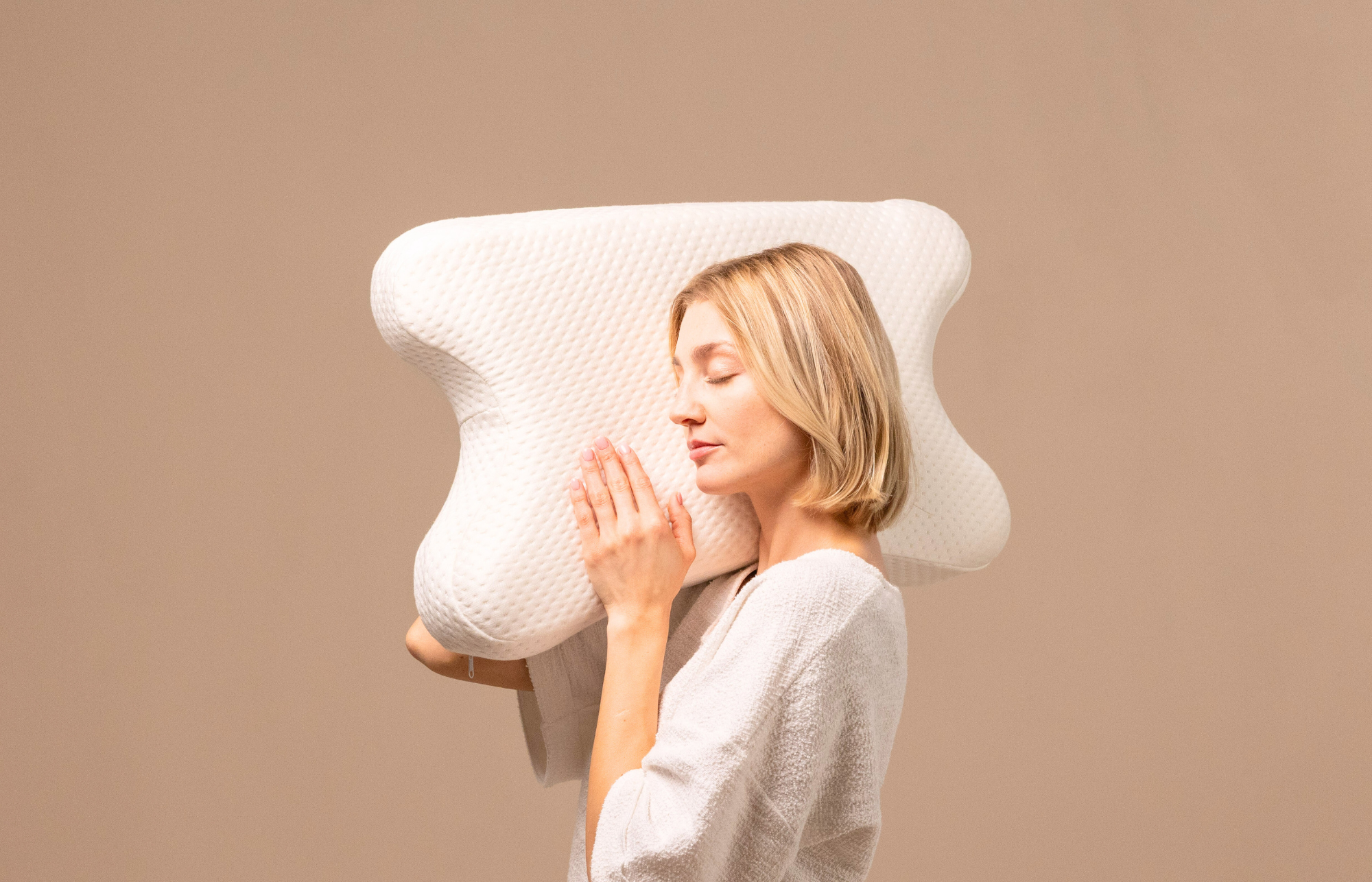
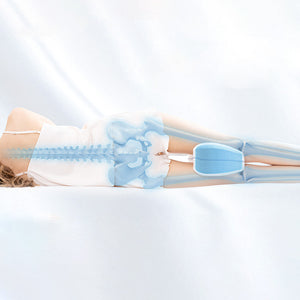
The 2025 Harvard Medical School study adds an important dimension to these findings: The researchers demonstrated that sleep position has a more direct influence on sleep architecture than previously assumed [2]. Side sleepers using an ergonomically shaped pillow like the ACAMAR from Third of Life showed significantly more stable micro-cycles in measurements than subjects with conventional pillows.

Markus Ott - Third of Life
Sources:
[1] Stanford University Sleep Research Center (2024): "Micro-cycles in Sleep Architecture and Their Impact on Recovery Quality"
[2] Harvard Medical School (2024): "Sleep Position and Sleep Architecture: A Comprehensive Analysis"
[3] Max-Planck-Institut für Psychiatrie (2024): "Glymphatic System Activity and Sleep Position Correlation"
[4] Charité Berlin (2024): "Individual Chronotypes: Beyond the Lark-Owl Paradigm"
[5] University of California, San Francisco (2024): "Sleep Quality vs. Sleep Duration: Immune System Implications"
[6] Sleep Research Center Zürich (2024): "Temperature Regulation in Sleep: Material and Environmental Factors"
[7] Mayo Clinic (2024): "Ergonomic Sleep Positioning and Cortisol Reduction"
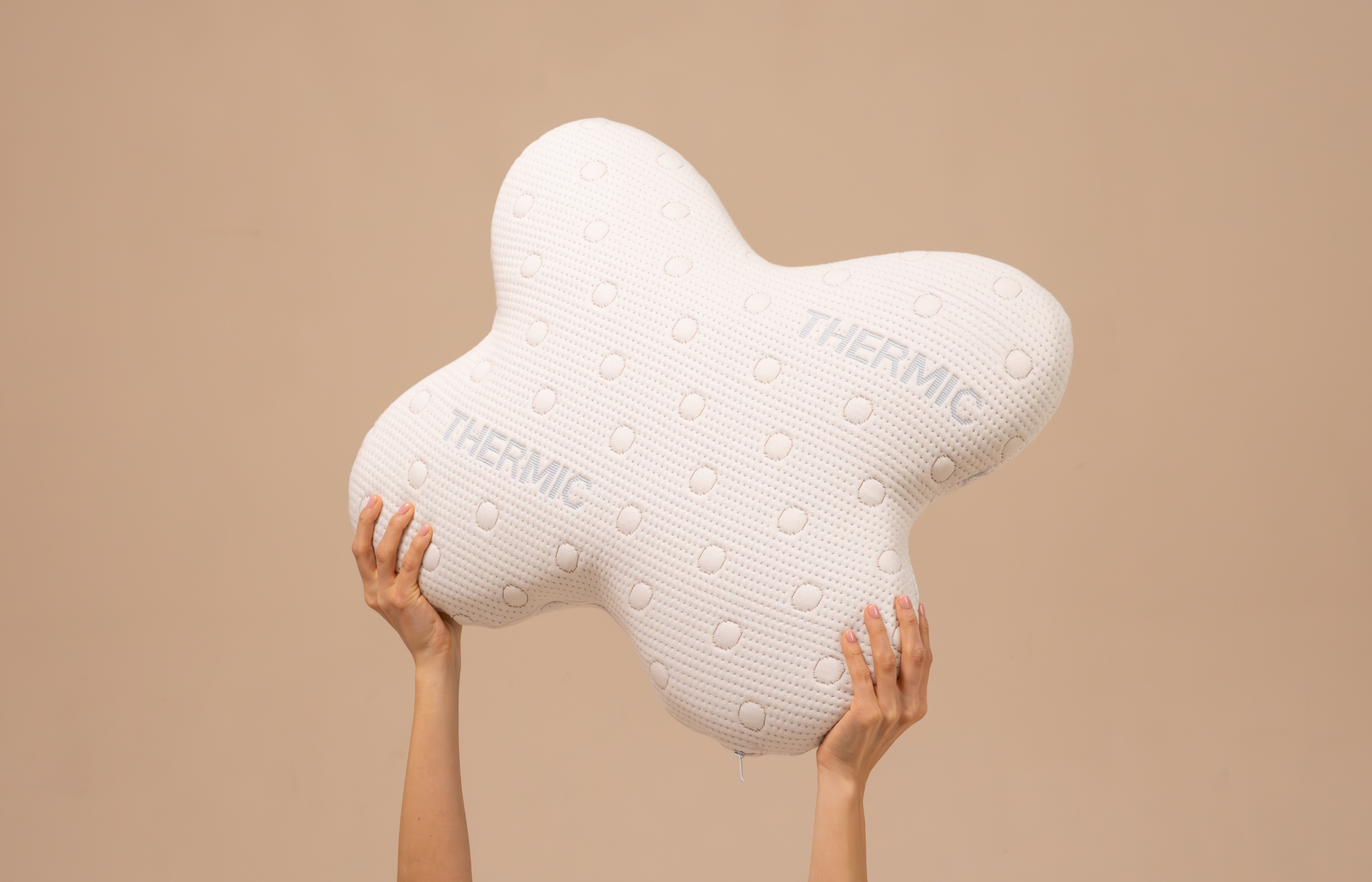
Which Pillow Is Right for Me? The Pillow Guide 2025
Stiftung Warentest 2025 - Neck Support Pillows Compared