
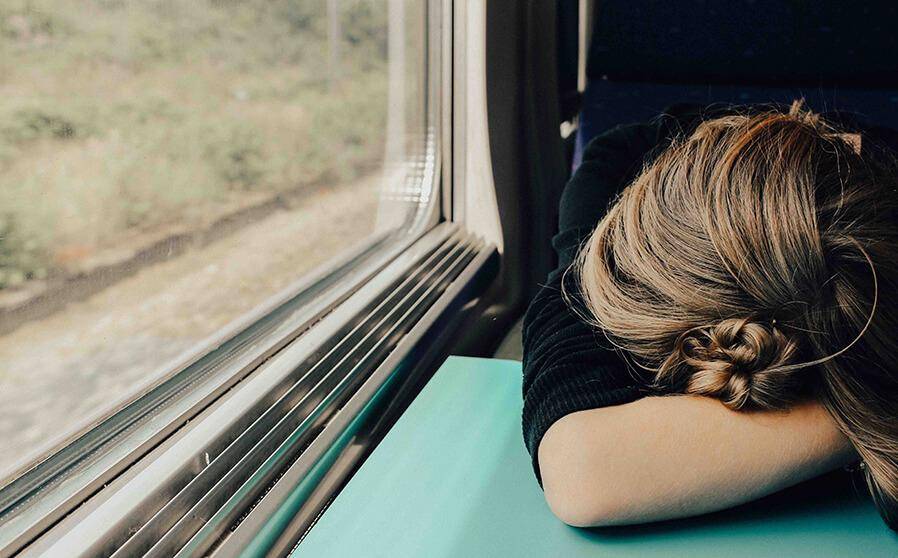
An important business trip or an exciting vacation is coming up? Worried you might be (constantly) tired? It doesn’t have to be that way—you can actively prevent jet lag with a few tricks. Jet lag is a disruption of the biorhythm caused by crossing time zones on long trips from east to west or west to east. It can occur when two or more time zones are crossed.
The negative effects of jet lag range from fatigue and insomnia to poorer digestion, impaired thinking and concentration, low motivation, and bad mood!
Jet lag usually leads to reduced endurance, strength, and alertness. It makes us tire physically and mentally faster and also promotes mental errors!
In general, you should follow these rules:
- Allow your body one day to adjust for each time zone crossed
- Begin adjusting to the new time zone while still at home
- Start your trip well rested and without a sleep deficit
- Make sure you get enough sleep, even if it falls outside your usual rhythm (the rule "enough sleep" outweighs the rule "regular rhythm" here!)
- Drink plenty of water on flights to prevent dehydration
When traveling west
What do these rules specifically mean for you when flying west? For example, flying from Munich to New York with a six-hour time difference.
The good news upfront: It is somewhat easier to prevent jet lag when traveling west, because our body tends to follow a 25-hour rhythm. It is therefore easier for us to stay awake one to two hours longer than to go to bed earlier.
The most important thing, however, is to gradually adjust to the new time zone step by step while still at home:
- In the example mentioned, you should get up, eat, and exercise one hour later each day starting three days before departure, and continue this adjustment for another three days at your destination. Depending on your travel plan, you can make this adjustment entirely at the departure location or entirely at the arrival location. If you have little preparation time, you can also try to shift your schedule by two hours each day, which is still better than no preparation at all!
-
For westbound flights, it is generally recommended to stay awake and only take a short nap of about 30 minutes when feeling tired. It also helps to try to move around a lot on the plane. If necessary, noise-cancelling headphones can be useful, as the monotonous sound of the airplane engines tends to make us sleepy.
Also, you should already eat meals according to the destination’s schedule (so breakfast in this case, for example, at 1 p.m.) and opt for light food.
- After arrival, if possible and depending on the arrival time, try to get some fresh air and sunlight
- A walk or even a light jog with some stretching afterward additionally helps to get the muscles and joints circulating again. If you train athletically, you should gradually increase training intensity and get plenty of sleep, as the body is still somewhat stressed by the adjustment.
When traveling eastward
What do these general rules specifically mean for you when flying east? For example, from Frankfurt to Tokyo with a seven (or eight in winter) hour time difference.
Here, too, it is important to gradually adjust to the new time zone step by step while still at home:
- In this case, for example, it means starting a few days earlier to shift your daily rhythm forward by one hour each day. However, this should explicitly not come at the expense of sleep, as we want to start the trip without a sleep deficit!
- In most cases, flights eastward take place overnight, so it is recommended to sleep as much as possible on the flight. Therefore, you should possibly have a light snack before departure to manage without the first meal on board.
- However, you should avoid alcohol and sleeping pills as aids. First, this won’t be necessary if you have already started adjusting your rhythm a few days before. Second, alcohol disrupts sleep, and sleeping pills can permanently disturb the sleep rhythm and lead to additional sluggishness the next day.
- For undisturbed sleep, simple aids like a sleep mask or good earplugs are recommended. If you have proven bedtime rituals, you should also try to apply them - as far as possible on the plane.
- Just before landing, you can start the day with breakfast and immediately get back into the right rhythm. Here, too, movement, fresh air, and daylight are naturally recommended after landing to get your circulation going again.
- For those who train athletically: It is best to approach the sessions with a gradually increasing intensity over the next three to four days.
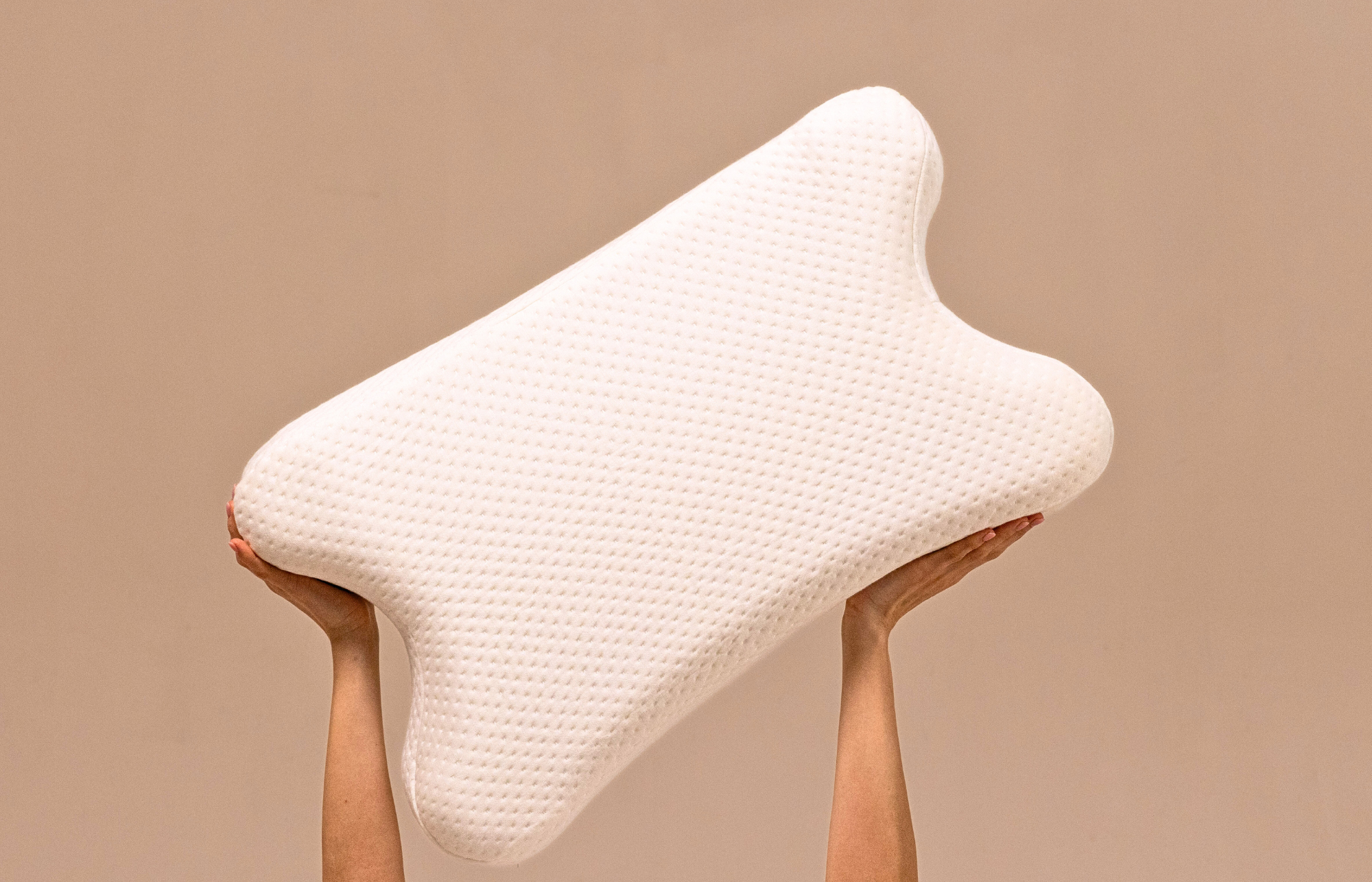

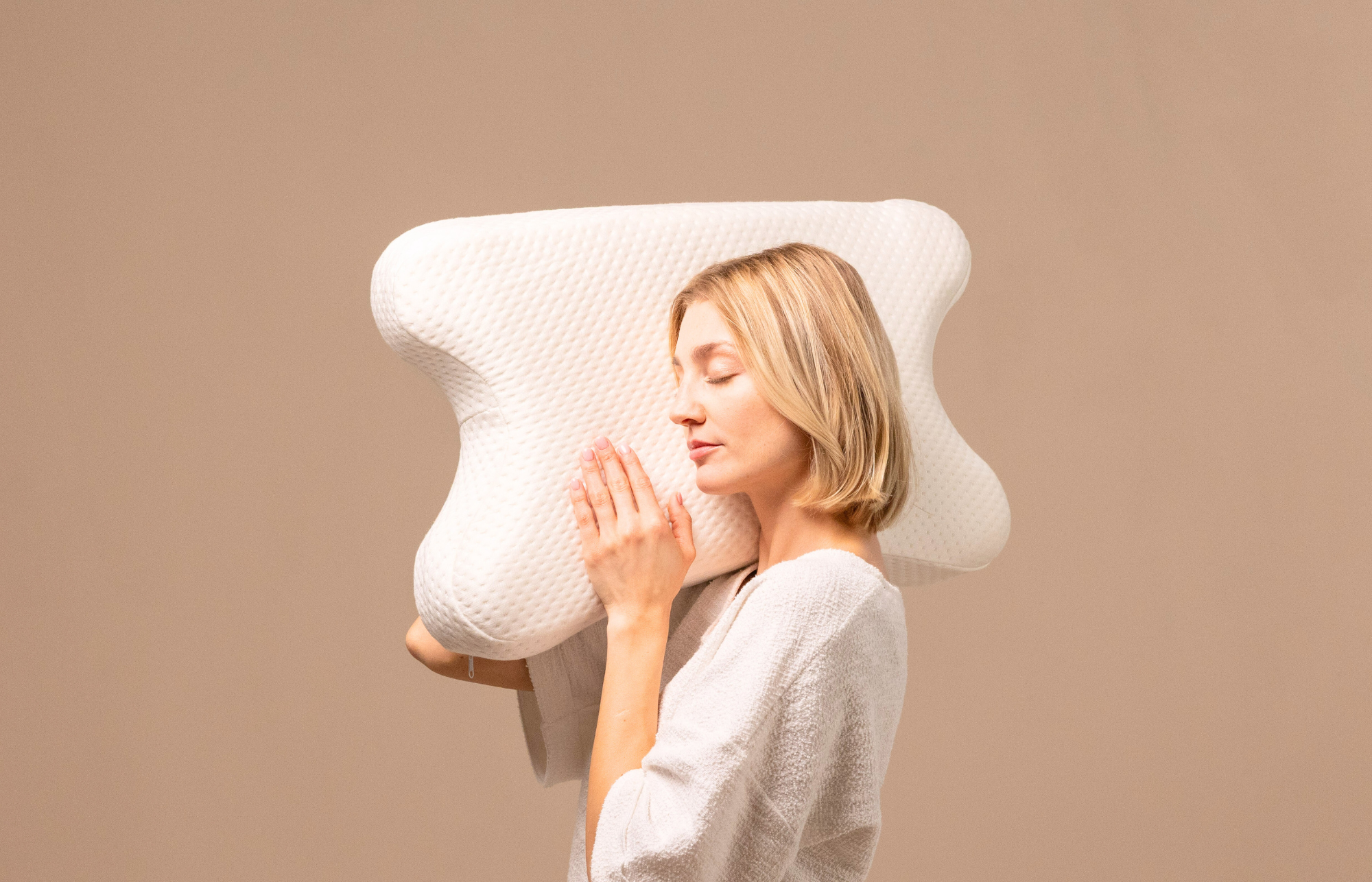


Your travel pillow explores the world! Win our new all-season luxury blanket!
In the Interview: National Soccer Player Verena Schweers on the Rumor of an Early World Cup Exit and Good Sleep