

Thinking about getting something new? Here we give you useful recommendations on what to look for when buying.
Pillow
For pillows, it is important that they are on the one hand matched to your typical sleeping position (back, side, side tilt, stomach) and on the other hand matched to your mattress. For example:
- Those who sink deeper into the mattress need lower pillows (11 cm height or less).
- Side sleepers with broad shoulders need higher pillows (more than 11 cm height).
- Stomach sleepers need low pillows (10 cm height or less).
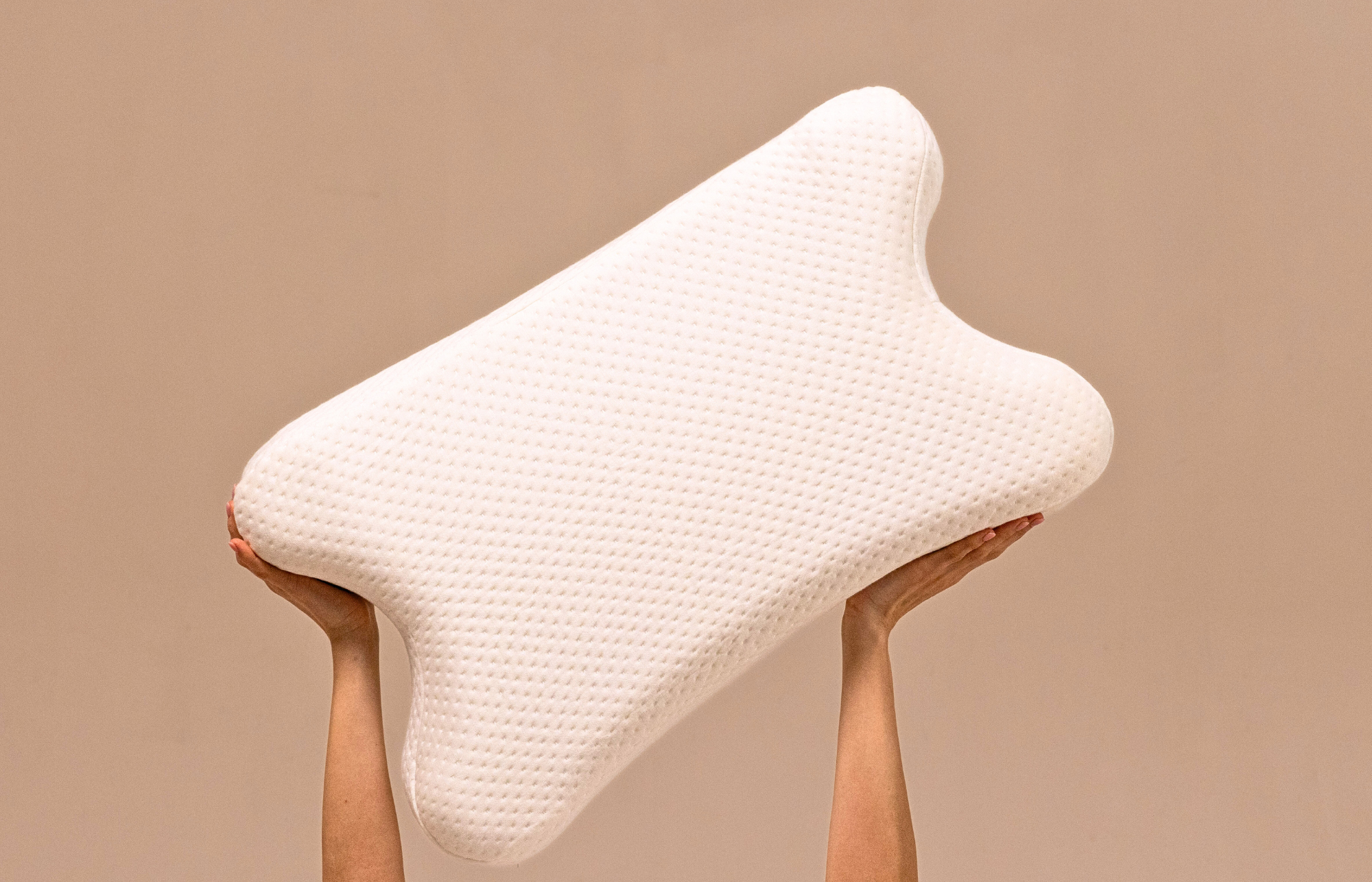
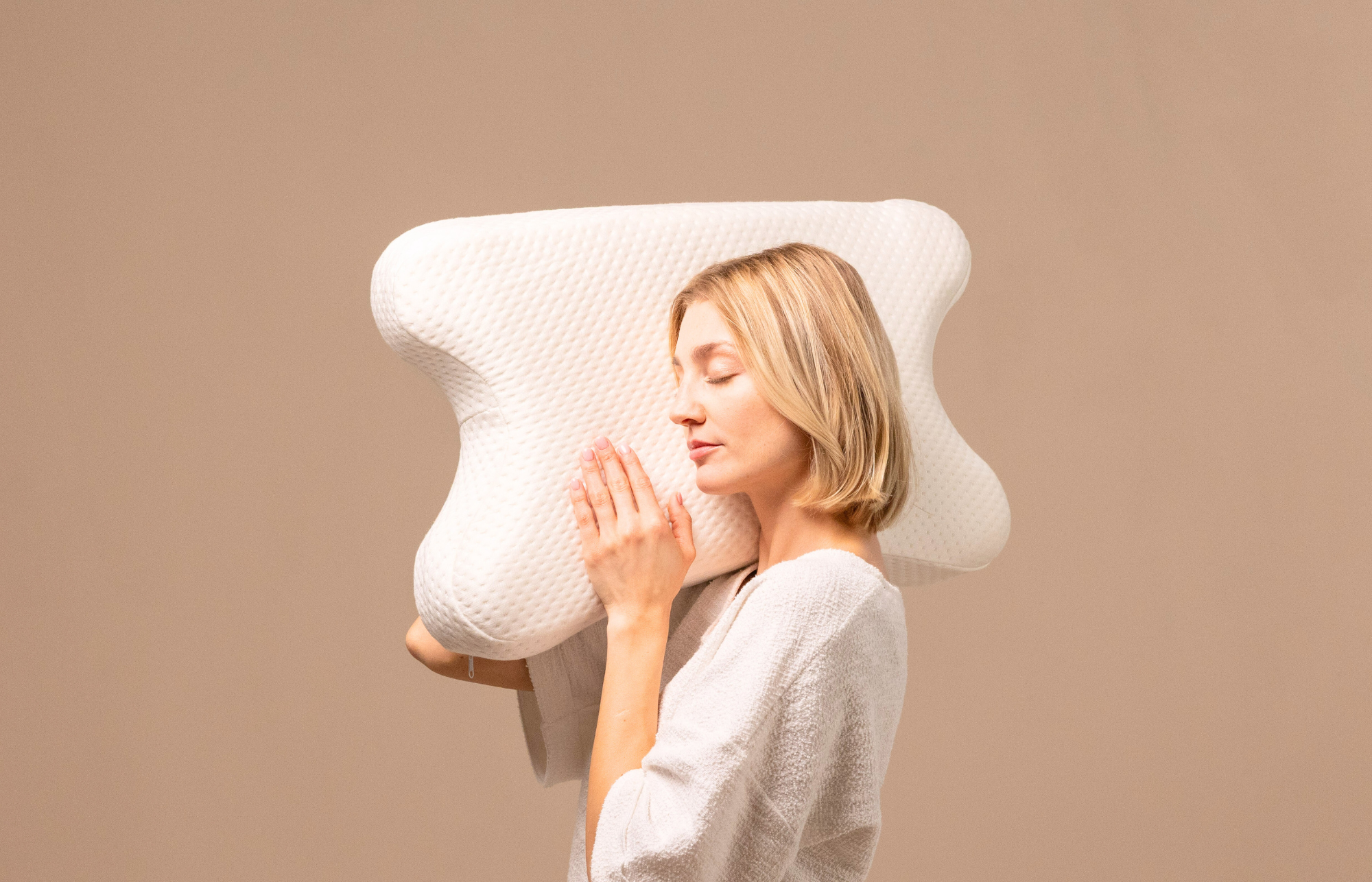
- Pre-shaped ergonomic pillows are especially suitable for back and side sleepers.
When it comes to the material of the pillow core, it is important that it offers a good balance between support and comfort. Down pillows usually provide little support, and cold foam pillows are often too firm. Therefore, viscoelastic pillows are particularly recommended here.
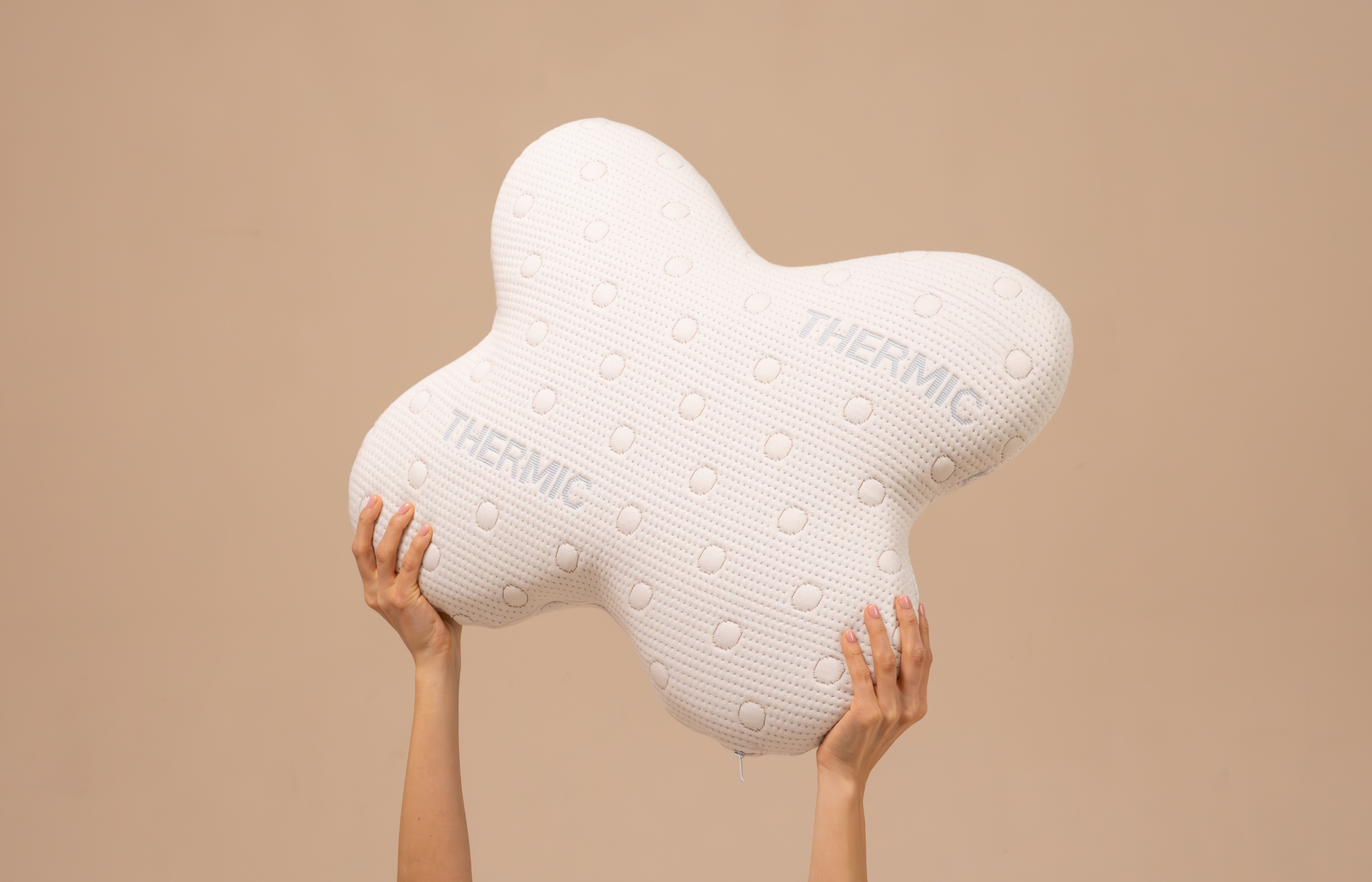
Since the head tends to sweat a lot, it is also important that the pillow has good heat and moisture management. Foam pillows should have ventilation channels, and the cover should have thermoregulating properties.
Duvet
The duvet makes up a large part of the bed climate, and therefore there are increasingly functional L solutions on the market here as well. It is important to choose a warmth class that matches your personal preferences and the season.
Why are personal preferences crucial here? Because the sensation of cold can vary greatly from person to person. Women tend to feel colder than men, and older people tend to feel colder than younger ones.
It is very important that the duvet has high breathability, effectively wicks away moisture, and/or can absorb a lot of moisture without becoming clammy. Down duvets are very light and have good warmth and moisture properties, but they are not produced sustainably or vegan. Modern high-quality microfiber duvets already come very close to the properties of down and thus offer a good alternative. For heavy sweaters, natural duvets made from sheep's wool, cashmere, or camel hair are also popular.
It is important that the duvet can be washed regularly, preferably at 60 degrees.
Nightwear
The most important thing about nightwear is that we actually wear some. Sleeping naked is not only not recommended for hygienic reasons, but can also impair regeneration during sleep, because
- Nightwear creates a more stable microclimate on the skin, so the body does not have to constantly fight against fluctuating external influences.
- In the REM sleep phase, the body's temperature regulation is switched off and our muscles are paralyzed, so it can get too cold in this phase without clothing, even on warm nights.
- Naked sleepers are more likely to experience tension from cooling down, which can also occur on warm nights due to drafts.
As the first layer on the skin, nightwear should of course effectively wick moisture away from the skin and outwards to allow it to evaporate. Only functional textiles, as in sports, can achieve this. If this does not happen, sleep is disturbed: we sleep restlessly because we are too warm or too cold, or we even wake up sweaty.
It is also important that the fabric has high breathability or ventilation, is very elastic, and has no appliqués (buttons, cords, pockets, etc.) that could cause skin irritation... after all, we may lie on it for 8 hours!
Bedding
Here, good heat and moisture properties of the material are also very important so that the bedding does not become clammy at night.
These functional materials are particularly recommended for this:
- In summer: microfiber, batiste, fine satin
- All year round: Jersey made of Lyocell/Tencel, satin
Mattress
With the mattress, of course, it is especially important that our body is well supported at night. So in the usual sleeping position (back, side, side tilt, stomach), the spine should lie straight and be relieved as much as possible. With modern mattresses, you actually lie "in" rather than "on" the mattress. Some sinking in is therefore desirable, because otherwise the straight positioning of the spine cannot be achieved. Those with broad shoulders should especially pay attention to a good shoulder zone in the mattress and base.
Please also pay attention to adequate ventilation from below so that moisture can escape from the mattress and no mold forms. Therefore, it is best to choose beds without a storage box and not use the free space under the bed as storage. For the base, look for small support surfaces, such as thin slats or even better, freely adjustable individual elements/"plates."
The material of the mattress core should be equipped with special ventilation elements, especially if it is foam or latex. The fabric and filling of the mattress cover should allow good heat and moisture transport and be sufficiently flexible, meaning not too heavily quilted.
A good topper is important for water mattresses, one that can absorb moisture!


In the Interview: National Soccer Player Verena Schweers on the Rumor of an Early World Cup Exit and Good Sleep
Best value for money again for our travel pillow VOLAR